Thinking about Burlingame but not sure how Burlingame Avenue compares with Broadway, or what commuting really feels like day to day? You want a clear picture of neighborhoods, parks, transit, and home styles before you commit. This guide gives you a practical overview plus smart steps to test lifestyle fit and make a confident move. Let’s dive in.
Burlingame at a glance
Burlingame sits on the San Francisco Peninsula in San Mateo County with a population around 30 to 32 thousand, based on the 2020 U.S. Census. You are close to San Francisco International Airport and right on the Caltrain corridor between San Francisco and San Jose. U.S. 101 and I-280 provide north–south access across the region. City services and recreation are managed by the City of Burlingame; public schools are served by Burlingame School District and San Mateo Union High School District.
Burlingame Avenue vs Broadway
Burlingame Avenue
Burlingame Avenue is a walkable, tree-lined downtown with boutiques, cafes, restaurants, and services. It has a village feel with easy errands and regular street activity. Homes nearby include older single-family houses on leafy blocks and a mix of condos and flats within walking distance.
Broadway
Broadway offers a busier commercial strip with a wider range of restaurants, hotels, and services, and it can feel more active in the evenings. It is more auto-oriented, with visible curbside parking and steady traffic that supports the dining scene. Proximity to some commuter routes can be a plus if you plan to drive frequently.
Choosing your fit
- If you value a boutique downtown experience and frequent walks to coffee or errands, focus near Burlingame Avenue.
- If you want a broader restaurant mix and evening energy, or easy access to visitor amenities, consider areas around Broadway.
- Many buyers choose quieter residential blocks a few streets off either corridor for a balance of access and calm.
Parks and outdoor time
Washington Park
Washington Park is the central community green space with playgrounds and sports fields. Its location near downtown makes it an easy add-on to errands or lunch. Check programming and field schedules through the City of Burlingame Recreation Department.
Bayfront and trails
The Burlingame shoreline offers access to parts of the San Francisco Bay Trail for walks, runs, and cycling with Bay views. Weekend loops along the water are a popular way to unwind and get fresh air.
What to check in person
- Walk the nearest park from any home you tour and note playground condition and field use.
- Confirm off-leash rules and hours if you have pets.
- Time your visit around sunset or weekend mornings to see typical activity levels.
Getting around
Caltrain and regional transit
Burlingame has a Caltrain station with service between San Francisco and San Jose. Check current express and local schedules on the Caltrain site to match your work hours. For BART connections and airport access, Millbrae Station one stop south offers a Caltrain and BART transfer; verify routes and times on BART.
Local buses
SamTrans runs local and regional bus lines across the Peninsula. Use the SamTrans system maps to see stop locations near your target streets.
Driving and parking
U.S. 101 is the most direct route to South San Francisco and San Francisco. I-280 can be a slightly less congested alternative along certain stretches. Expect metered parking downtown and residential permit zones near the main corridors; confirm rules on the city site or posted signs.
Airport access
SFO is very close by with convenient road and transit options. If aircraft noise is a concern, review SFO’s community noise resources and contour maps on the SFO noise program and visit candidate homes at several times of day.
Biking and walking
Blocks around Burlingame Avenue are highly walkable, and many streets offer comfortable biking, especially for short errands. If biking matters to you, try your route to Caltrain or downtown at your usual commute time.
Homes and architecture
Common styles
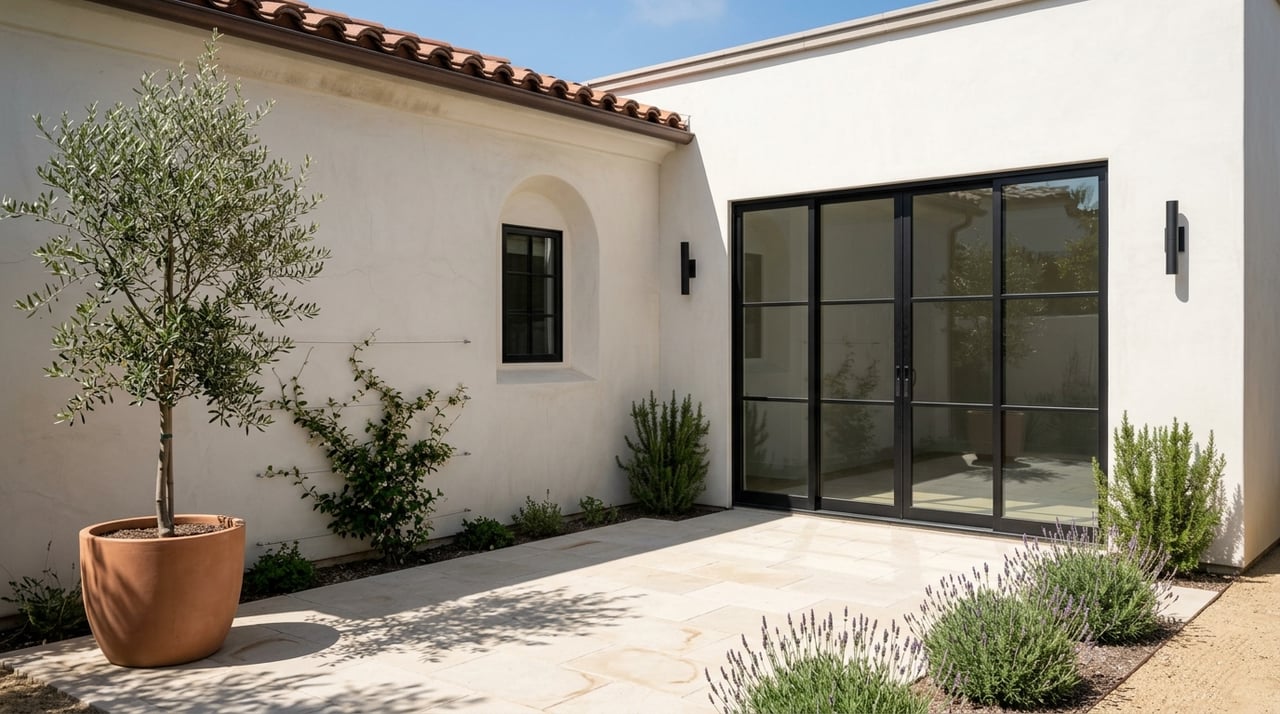
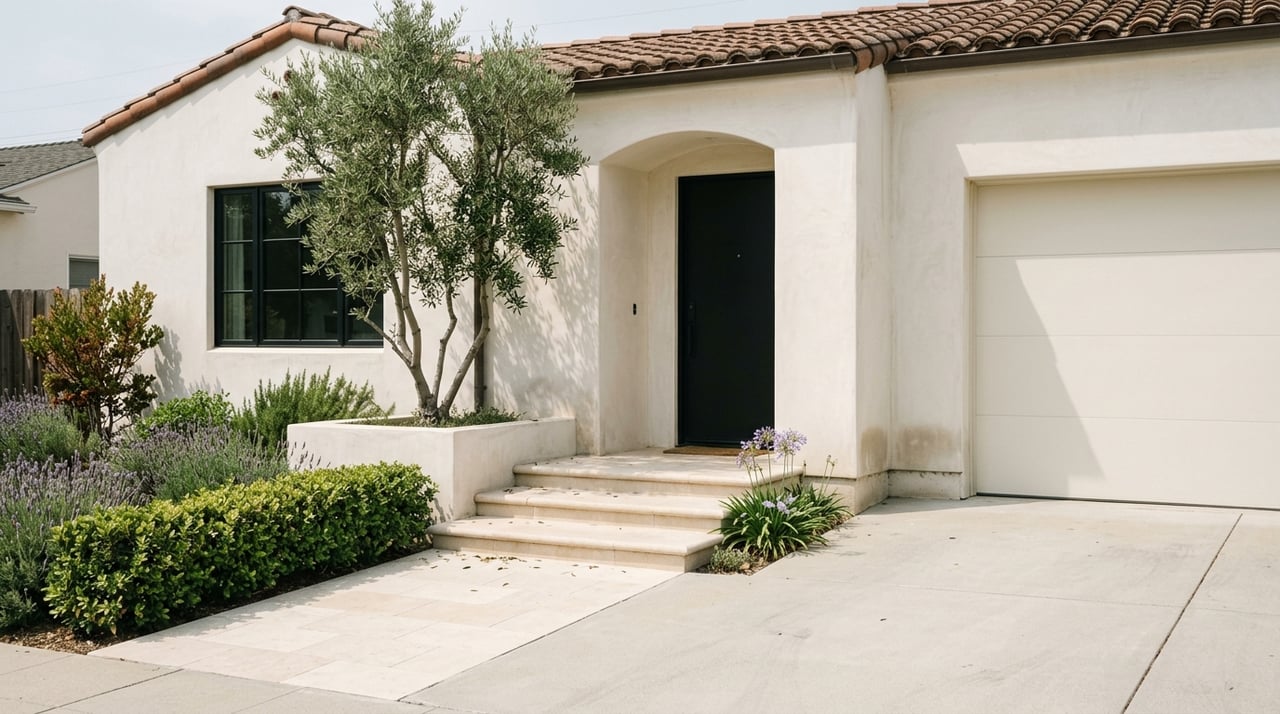
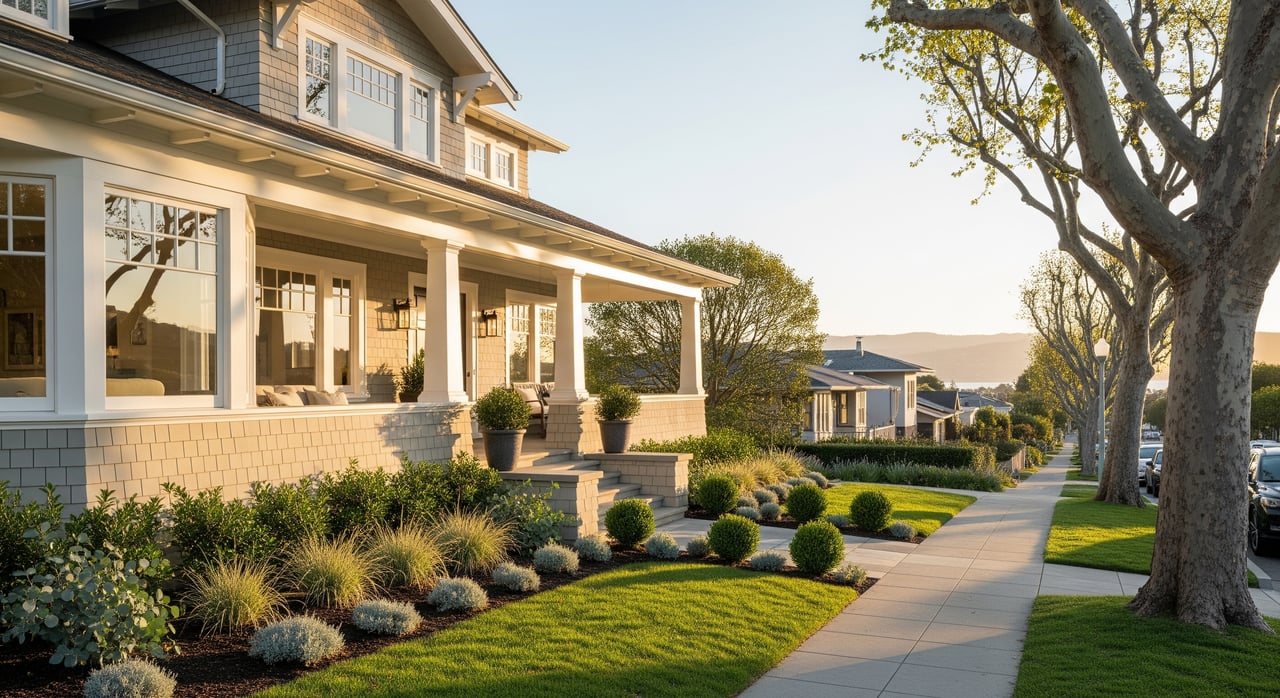
You will see early 20th-century single-family homes, including Craftsman bungalows and Mediterranean revival styles, along with some Edwardian or Victorian influences. There are mid-century homes, postwar infill, and newer remodels. Condominiums and small apartment buildings cluster near downtown and transit.
What drives price
- Proximity to Burlingame Avenue, the Caltrain station, and the Bayfront often increases demand.
- Yard size, views, and architectural character can add premiums.
- Noise near flight paths and potential flood risk on bay-adjacent parcels may affect value; verify by property.
- School district reputation can influence demand; confirm details and metrics directly with the California Department of Education and other school resources.
Costs and insurance
California’s baseline property tax is about 1 percent of assessed value plus local assessments. Confirm parcel-level taxes and assessments through the San Mateo County Assessor-County Clerk-Recorder. Earthquake insurance is a separate policy that many owners consider in the Bay Area. If a property is near the Bay, check the FEMA Flood Map Service Center for flood zones and any lender insurance requirements.
Move-up buyer trade-offs
- Space vs access: Larger lots and newer builds are often farther from the main corridors, while smaller lots near downtown offer strong walkability.
- School catchments: Confirm attendance boundaries for specific addresses and ask about capacity and programs.
- Remodel potential: Many older homes can support additions or upgrades; weigh time, budget, and long-term resale.
- Resale outlook: Proximity to transit and popular amenities typically supports liquidity over time.
Smart checks before you offer
- Noise and flight paths: Visit at multiple times on weekdays and weekends, and review SFO noise contour maps.
- Flood and drainage: Review FEMA flood maps, and ask for any flood disclosures if near the Bay.
- Commute reality: Test your commute by Caltrain or car during peak hours.
- Parking and street rules: Confirm any residential permit requirements and street sweeping schedules.
- Zoning and permits: Discuss ADUs, additions, and setback rules with city planning; confirm any open permits.
- Inspections: Order general, termite, and specialized inspections as needed for age or lot conditions.
How to explore and tour Burlingame
Market scan Ask your agent for active listings and recent sold comps in your micro-neighborhoods. Request days-on-market and list-to-close price ratios to understand pace and pricing.
Schedule tours at varied times Tour homes and also do two short neighborhood checks: one at commute peak and another in the evening. Note traffic, street activity, and parking availability.
Transit and commute trial Try your actual commute at least once. Use Caltrain schedules or a SamTrans route if that is your plan.
School and amenity visits Call schools to schedule tours. Spend time on Burlingame Avenue and Broadway, and visit Washington Park and the Bayfront to picture your routine.
Due diligence before you offer Review seller disclosures, tax records, and any HOA documents if buying a condo. Estimate closing and carrying costs with your lender and agent.
Post-offer planning Confirm insurance options, including earthquake and any required flood coverage. If you plan updates, line up contractor estimates within contingency timelines.
Work with a local advisor
When you are ready to compare micro-neighborhoods, weigh trade-offs, and preview on- and off-market options, partner with a trusted local expert. With a boutique, high-touch approach backed by Compass tools and programs like Private Exclusives and Concierge, you get personalized guidance and efficient execution. If you want a private neighborhood tour or curated listing feed, connect with Sharlyne Murphy.
FAQs
Is Burlingame good for commuting to San Francisco?
- Yes. Caltrain from the Burlingame station and U.S. 101 both provide direct routes; viability depends on your worksite location and schedule.
How do Burlingame Avenue and Broadway differ?
- Burlingame Avenue offers a walkable, boutique downtown feel, while Broadway has a busier commercial mix with strong restaurant activity and more vehicle traffic.
How significant is airplane noise near SFO?
- It varies by block and time of day; review SFO noise contour maps and visit homes at multiple times to gauge your comfort.
What housing styles are common in Burlingame?
- You will find early 20th-century single-family homes, Mediterranean revival, mid-century, and contemporary infill, plus condos near downtown and transit.
Where can I verify school information for an address?
- Check district boundaries and performance data with the California Department of Education and contact schools directly for enrollment and programs.