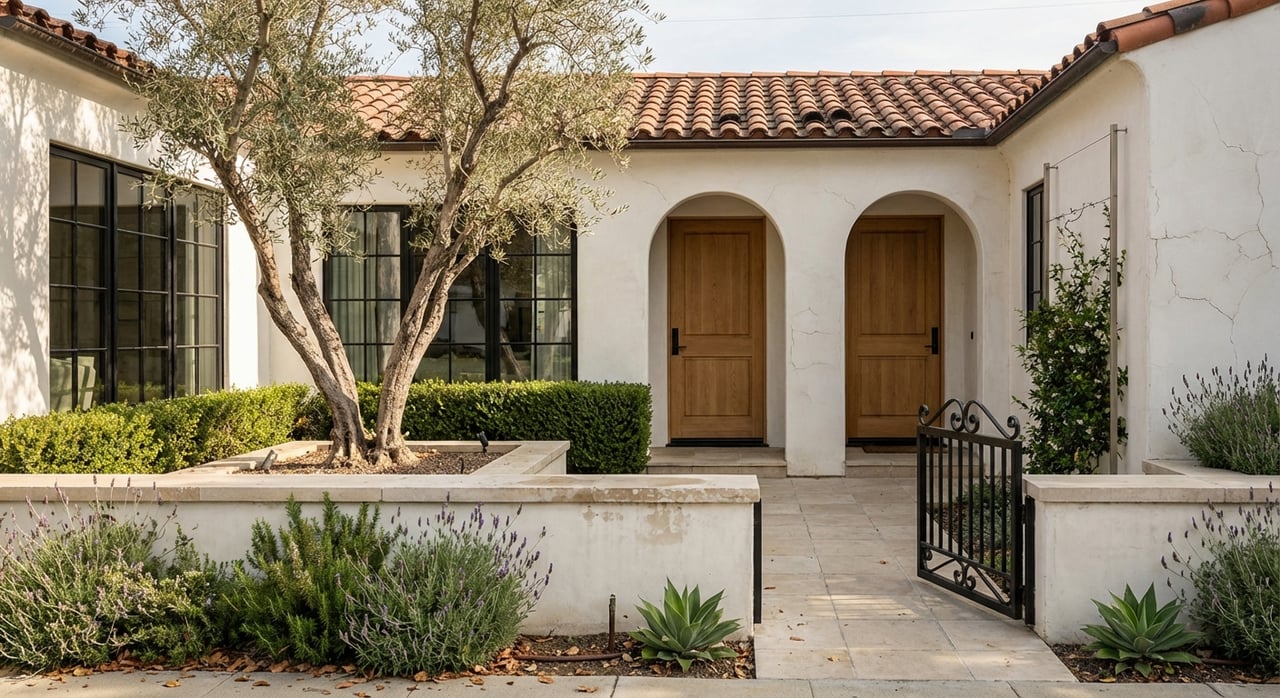
Thinking about a duplex, small multi unit, or an SFR with ADU potential in Redwood City? With entry prices often near two million and average rents in the mid three thousands, small changes to your assumptions can swing your returns. You deserve a simple, disciplined way to evaluate each opportunity. This guide gives you a step-by-step local playbook to underwrite cash flow, check zoning and ADU feasibility, and stress test your numbers. Let’s dive in.
Redwood City investor snapshot
Redwood City sits in the heart of the Peninsula with strong Caltrain and freeway access. As of early 2026, the median sale price is around $1.9 million, and typical home values often run from $1.7 to $1.9 million. Average market rents have been trending in the roughly $3,400 to $3,700 per month range for many unit types.
Regional reporting shows rents tightened through 2024 and 2025 and continued to firm into 2026, which supports demand for well-located rentals. Pricing pressure and high demand also mean cap rates here tend to run lower than many non-coastal markets. Plan for conservative underwriting and realistic rent growth.
Local coverage of rent momentum helps explain the backdrop you are modeling against.
Define your buy box
Be clear about the property types that fit your goals and budget:
- Duplex or 2–4 units. Easier to finance than larger buildings, with potential to live in one unit and rent the others.
- SFR with ADU potential. Useful if you want flexibility and incremental income, but run a full ADU pro forma.
- Transit-proximate vs neighborhood locations. Station-area units often command pricing and rent premiums. Older single-family areas may show different cap rates and renovation needs.
Set guardrails up front, like max purchase price, minimum cash-on-cash target, and a required margin-of-safety on rents and expenses.
Check zoning first
Before you fall in love with a property, confirm legal feasibility.
- Use the City’s GIS viewer to verify parcel zoning, overlays, and the general plan designation. This tells you what is allowed by right and what may require more review. Start here to avoid surprises.
- Review the current zoning ordinance text for minimum lot sizes and district standards. Redwood City historically required larger minimum lots for two- and three-unit projects in some districts, and the Housing Element notes potential updates to encourage missing-middle housing. Confirm present rules and any pending amendments before you count on a conversion or lot split.
ADU rules that matter
ADUs are shaped by both state law and local requirements. Understanding both helps you estimate timing, cost, and rent.
- State baseline. California’s ADU statute streamlines many approvals and limits certain local barriers. It reduces minimum lot-size barriers and sets rules on parking near transit and impact fees for smaller ADUs. Use the statute as your legal baseline when judging feasibility.
- Redwood City specifics. The City provides an ADU ordinance and permit checklist. Expect typical city permit base fees in the low thousands by size band, plan for a fire-flow test on detached ADUs, and note that ADUs may not be used exclusively as short-term rentals.
- Cost planning. In the Bay Area, modest detached ADUs often range from about $200,000 to $500,000 or more depending on site complexity and finishes. Use a realistic cost-per-square-foot range and add a contingency for utilities and timing.
Underwrite rents and vacancy
Start with local comps, not national averages. For Redwood City, current snapshot averages show all-type rents in the mid three thousands, but your exact rent depends on bedroom count, square footage, parking, and proximity to transit. Pull recent listings and, where possible, actual signed leases. Call local property managers to confirm leasing velocity and any concessions.
For vacancy, a conservative range is usually best. Many professionally managed Peninsula assets have shown mid-90s occupancy in recent reporting. As a planning rule of thumb, small 2–4 unit assets in strong locations often pencil at 4 to 7 percent vacancy. SFRs or properties with likely tenant turnover may warrant 6 to 10 percent. Adjust to your specific micro location and tenant profile.
Model expenses and taxes
Small 2–4 unit properties often land near 20 to 30 percent of effective gross income in operating expenses, excluding debt service and income taxes. Property management commonly runs about 5 to 7 percent of collected rent for smaller assets. Budget replacement reserves too. A common planning range is $250 to $500 per unit per month depending on age and condition.
For property taxes, use San Mateo County’s framework. The secured tax is calculated as the assessed value times the 1 percent base rate plus voter-approved local assessments and special charges. On a new purchase, model the tax based on your expected assessed value and confirm the parcel’s current bill for context.
- Learn how the County computes secured property taxes: San Mateo County secured property taxes.
Choose financing early
Financing terms can change your offer strategy and cash-on-cash results.
Owner-occupied 1–4 units. FHA financing is available when you plan to occupy, subject to county loan limits and occupancy rules. Look up current FHA limits for San Mateo County by unit count before you assume program fit.
Conventional and jumbo. In high-cost counties, conforming limits are higher than the national baseline. For larger purchases or investor loans, expect different down payment, reserve, and DSCR requirements.
Check FHA county limits: HUD mortgage limits lookup.
Key metrics and a quick example
Use common metrics to keep your underwriting consistent:
- Effective Gross Income (EGI) = Gross potential rent × (1 − vacancy rate)
- Net Operating Income (NOI) = EGI − operating expenses
- Cap rate = NOI ÷ Purchase price
- Cash-on-cash = Pre-tax cash flow after debt service ÷ Equity invested
- Gross Rent Multiplier (GRM) = Purchase price ÷ Gross annual rent
Example, simplified for the Peninsula context:
- Purchase price: $1,500,000
- Gross annual rent: $78,000
- Vacancy: 5 percent → EGI = $74,100
- Operating expenses: 35 percent of EGI → $25,935
- NOI ≈ $48,165
- Implied cap rate ≈ 3.2 percent
This shows why disciplined bidding and realistic financing terms are critical in Redwood City. Small shifts in rent or expenses can move your returns meaningfully.
ADU value-add math
Model the ADU as a separate mini-project layered onto the base property.
- Illustrative inputs: build cost $300,000 for a 600-square-foot detached ADU; expected rent $2,200 per month; 5 percent vacancy; 30 percent operating expense load on the ADU rent.
- Annual gross rent = $26,400. After 5 percent vacancy = $25,080. Less 30 percent expenses = about $17,556 in incremental NOI.
- Incremental cap rate on ADU cost ≈ $17,556 ÷ $300,000 = about 5.7 percent.
Test sensitivity for rent, cost overruns, and timing. In the Bay Area, soft costs, utility upgrades, and schedule risk can move the IRR. Ground your rent assumption in nearby comps.
- Bay Area ADU cost guide: Alameda County ADU budget resource.
Neighborhood lenses to use
- Downtown and Caltrain station area. Transit-proximate units often earn rent and pricing premiums. Newer buildings and mixed-use blocks may trade at lower cap rates with stable demand.
- Established single-family pockets. Older duplexes and nonconforming units may come with higher cap rates and more variable rehab needs. Lot width, slope, parking, and trees can shape ADU or conversion feasibility.
- Micro due diligence. Use parcel-level zoning, overlays, and the Housing Element’s missing-middle goals as context when you evaluate what is likely achievable.
Due-diligence checklist
Move through this list before you write an offer:
- Confirm parcel zoning and overlays in the City GIS. Review any active planning records for the parcel. Use the viewer here: Redwood City GIS zoning and parcel map.
- Check the current zoning ordinance for minimum lot sizes and use standards that affect duplex or triplex feasibility: Redwood City zoning ordinance.
- Review the City’s ADU ordinance and permit checklist. Note required fire-flow tests and that ADUs cannot be used exclusively as short-term rentals: Redwood City ADU ordinance and checklist.
- Understand the state ADU statute that sets the legal baseline: California ADU statute overview.
- Pull current rent comps for the property’s zip code and unit type using local platforms and, where possible, actual leases. Confirm leasing velocity with a local property manager.
- Verify tenant protections that could affect renovations or turnover plans, including local relocation requirements: Redwood City Tenant Protection Ordinance and AB 1482 statewide standards.
- Confirm property taxes with San Mateo County and include the base 1 percent plus local assessments in your model: San Mateo County secured property taxes.
- Order a property condition assessment and review historical utility bills if any owner-paid utilities exist.
- Check financing fit early. Confirm FHA county limits and talk with your lender about conventional, jumbo, or DSCR options: HUD mortgage limits lookup.
Next steps and local help
A smart Redwood City investment starts with legal feasibility, grounded rent comps, and conservative cash-flow math. From there, focus on execution. If you are exploring a duplex, small multi, or an SFR with ADU potential, I can help you source on-market and private opportunities, stress test the numbers, and navigate city requirements with the right local team.
Ready to evaluate a specific property or build your buy box? Reach out to Sharlyne Murphy for a focused, Peninsula-first approach backed by Compass tools and a concierge process.
FAQs
What makes Redwood City attractive for small investors?
- A central Peninsula location with strong transit access, mid-to-high home values, and average rents in the mid three thousands supports demand, though cap rates are often compressed.
How do ADU rules in Redwood City affect returns?
- State law streamlines many ADUs, and the City’s checklist clarifies local steps. Feasibility often hinges on setbacks, fire access, utilities, and costs that commonly run $200,000 to $500,000 or more.
How should I estimate property taxes on a new Redwood City purchase?
- Use assessed value times 1 percent plus voter-approved assessments and special charges, and confirm details with San Mateo County’s secured tax resources.
Can I use FHA to buy a duplex in San Mateo County?
- Yes, if you will occupy the property. Check the current FHA loan limits for the county and confirm occupancy and timing requirements with your lender.
What vacancy rate should I assume when underwriting?
- A conservative range is often 4 to 7 percent for well-located small multis and 6 to 10 percent for SFRs or higher-turnover assets. Adjust to your specific location and unit mix.