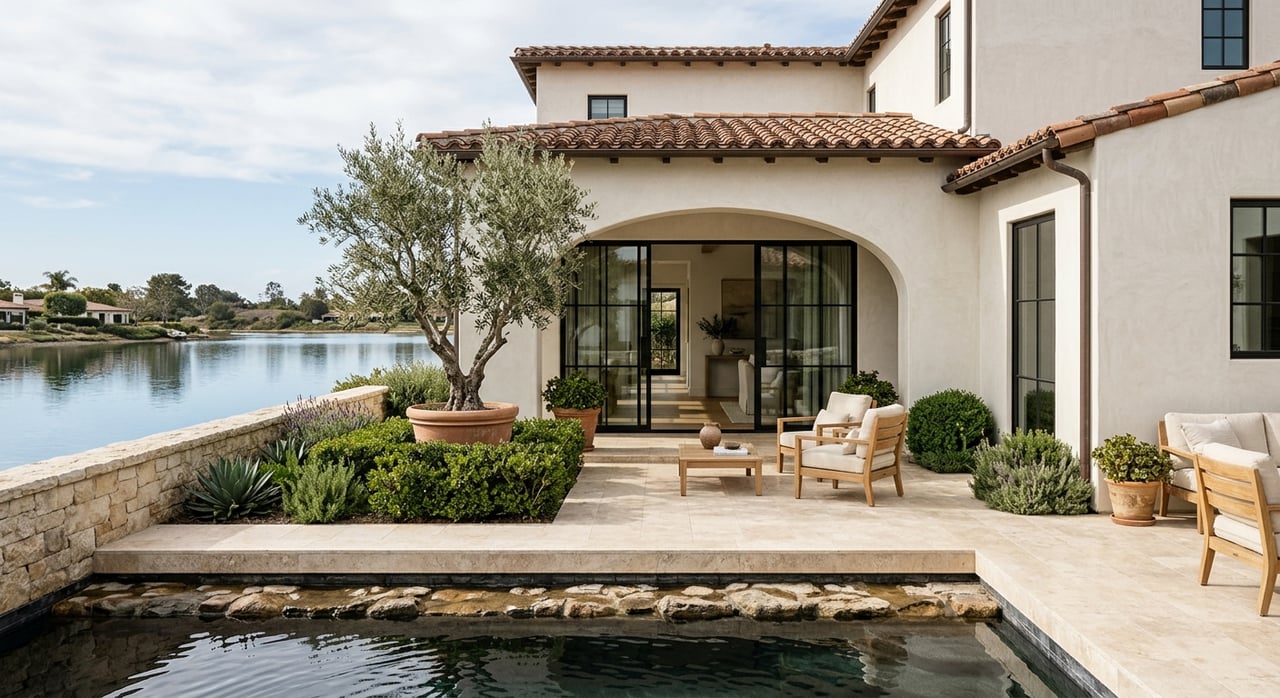
Thinking about a waterfront or lagoon home in Foster City? The setting can be hard to resist: calm water views, direct access to the lagoon, and a planned Peninsula community with easy connections to San Francisco, Silicon Valley, and the East Bay. But buying here is not just about finding the right floor plan. You also need to understand dock rules, HOA layers, water-use restrictions, and maintenance expectations so you can buy with confidence. Let’s dive in.
Why Foster City Feels Different
Foster City was built as a planned community on the San Francisco Peninsula, with neighborhoods arranged around a central artificial lagoon and Marina Lagoon along the western edge. The city describes the lagoon system as both a recreational amenity and part of its stormwater infrastructure, which makes water a defining part of daily life here. You can also see that planned layout in the city’s housing mix, which ranges from single-family homes to multifamily communities.
From a location standpoint, Foster City sits between San Francisco and San Jose, with access to U.S. 101 and SR-92. According to the city’s community profile, that connectivity is one reason the area continues to appeal to buyers who want Peninsula convenience with a distinct waterfront feel.
What To Expect From The Housing Stock
If you are shopping for a lagoon or waterfront home in Foster City, it helps to know that many of these neighborhoods are part of an older planned community, not a single new-construction product. The city notes that most single-family housing was built before 1980, while multifamily housing expanded later.
That matters because two homes with similar water exposure may have very different layouts, lot conditions, HOA structures, and update needs. In other words, buying here often means comparing original design features, later renovations, and community-specific rules rather than simply choosing between newer and older inventory.
Waterfront Homes Come With Extra Rules
The biggest difference between a waterfront home and an inland home in Foster City is not just the view. It is the extra layer of ownership details that can affect how you use and maintain the property.
The city explains that developers created HOA-governed micro-communities, so many buyers should expect rules beyond standard city regulations. As shown on the city’s community information page, HOA documents can shape everything from exterior changes to parking, boat storage, and moorage.
Before you write an offer, it is smart to review not just the seller disclosures and inspections, but also the HOA documents, architectural rules, and any water-adjacent maintenance obligations. A waterfront purchase can be a great fit, but it works best when you know exactly what you are taking on.
Dock Rights Are Not Automatic
One of the most common assumptions buyers make is that a waterfront lot automatically comes with a usable dock or the right to build one. In Foster City, that is not always the case.
Under the city’s boat dock policy, private residential docks require Architectural Review approval. The policy also limits eligibility and design based on factors like waterway width, lagoon depth, and location. Belmont Slough is excluded from the private residential dock policy.
The same policy says docks cannot touch lagoon walls, must be independently anchored, and need at least two feet of lift and drop capability because lagoon levels change seasonally. It also notes that if the lagoon is too shallow, a dock may not be allowed unless Public Works approves deeper water or dredging. The city further indicates that floating docks are the future standard, while older pile-supported docks are expected to be phased out over time.
How The Lagoon Can Be Used
Living on the water in Foster City does not mean using it like a conventional marina. The lagoon is a shared and regulated waterway with specific use rules.
According to the city’s lagoon guidance, powerboats are prohibited, and gas or diesel propulsion is not allowed. The lagoon is intended for sail, electric, or human-powered vessels, and speed is limited to 5 miles per hour.
For many buyers, that is part of the appeal. The environment is geared toward a quieter, lower-speed experience rather than heavy boat traffic. If your vision of waterfront living includes kayaking, paddleboarding, sailing, or electric boating, Foster City may align well with that lifestyle.
Flood And Levee Questions To Ask Early
Waterfront buyers naturally want clarity on flood risk and insurance. In Foster City, the city states that the lagoon functions as a drainage detention basin and that the levee protects most of the outer bay-front perimeter.
The city also says that after the 2024 levee improvements project, the levee remained FEMA-accredited and was intended to improve resilience for future sea-level-rise conditions. On the city’s lagoon and levee page, Foster City states that land within city limits remains in Zone X, where mandatory flood insurance is not required.
That said, required and advisable are not always the same thing. FEMA explains on its flood insurance page that standard homeowners insurance usually does not cover flood damage. As a buyer, it is wise to confirm the property’s flood designation, ask your lender whether any extra insurance conditions apply, and compare coverage options early in escrow.
Maintenance Is Different On The Water
A waterfront home often offers a unique setting, but it can also come with more hands-on upkeep. Foster City notes that lagoon levels are managed seasonally, with levels raised in spring and lowered before winter storms or periods of expected runoff.
The city also states on its lagoon system page that property owners are responsible for maintaining lagoon or waterfront portions directly adjacent to or visible from the water or land. Depending on the home, that can include shoreline hardscape, docks, and visible exterior edges.
For buyers, this is less about being alarmed and more about budgeting realistically. If you love the idea of direct water frontage, make sure your ownership plan includes time and money for maintenance that an inland property may not require.
Waterfront Vs. Near-Water Vs. Inland
Not every buyer who wants the Foster City lifestyle needs a home directly on the lagoon. In many cases, the right choice comes down to how much you value direct access versus simplicity.
Waterfront Homes
Waterfront or lagoonfront homes are typically the strongest fit if you want direct views, immediate water access, and the closest connection to the lagoon. They also tend to involve the most rules, the most questions about docks and approvals, and the highest maintenance responsibility.
Near-Water Homes
Homes one or more blocks from the lagoon can still offer a strong connection to Foster City’s outdoor setting. The city highlights the lagoon, parks, levee pedway, and Bay Trail as major public amenities, and the parks and water resources page shows how central these spaces are to daily recreation.
For some buyers, this is the sweet spot. You may still enjoy easy access to trails and water-oriented recreation without taking on direct shoreline obligations.
Inland Homes
Inland homes are often the most practical choice if you want lower maintenance and fewer property-specific water issues to evaluate. You still get the benefits of Foster City’s planned layout, Peninsula location, and commute access, but without dock questions or direct waterfront upkeep.
That can make inland homes especially appealing if your priority is convenience, predictability, and a simpler ownership experience.
Questions To Ask Before You Buy
If you are serious about buying a waterfront or lagoon home in Foster City, these are some of the most important questions to ask during your search:
- Is the home in an HOA, and what do the rules cover?
- Are there separate approval requirements for exterior changes?
- Does the property currently have a dock, and was it approved?
- If there is no dock, is the parcel even eligible for one under city policy?
- What are the current boat storage or moorage rules?
- What maintenance is the owner responsible for along the waterfront edge?
- What does the seller know about lagoon depth, seasonal water-level changes, or prior repairs?
- Has your lender flagged any insurance or underwriting questions tied to the property’s location?
These questions can help you compare homes more accurately and avoid surprises after closing.
Why Local Guidance Matters
In a market like Foster City, two homes with similar square footage can offer very different ownership experiences once you factor in HOAs, dock eligibility, shoreline conditions, and long-term maintenance. That is why local guidance matters.
When you work with someone who understands Peninsula micro-markets, you can look beyond the listing photos and evaluate how a home will function for your actual lifestyle and goals. If you want help comparing waterfront, near-water, and inland options in Foster City, connect with Sharlyne Murphy for thoughtful, personalized guidance.
FAQs
Is flood insurance required for a Foster City waterfront home?
- Foster City states that land within city limits is in Zone X, where mandatory flood insurance is not required, but FEMA says standard homeowners insurance usually does not cover flood damage, so it is still worth reviewing coverage options.
Can you build a private dock at a Foster City waterfront home?
- Maybe. The city requires Architectural Review approval, and eligibility depends on factors such as waterway width, lagoon depth, and whether the property is on an allowed waterway.
Do all Foster City lagoon homes come with dock rights?
- No. A waterfront location does not automatically mean a home has an existing dock or the right to add one.
Are gas boats allowed on the Foster City lagoon?
- No. The city says gas or diesel propulsion is not allowed, and the lagoon is intended for sail, electric, or human-powered vessels.
What should you ask an HOA before buying a Foster City waterfront home?
- Ask about dues, exterior maintenance responsibilities, boat storage or moorage rules, parking, guest policies, and approval processes for modifications.
Is a near-water home in Foster City worth considering if you do not need a dock?
- Yes. Near-water homes can still provide convenient access to the lagoon, trails, parks, and the broader Foster City lifestyle without the same level of waterfront maintenance or dock-related questions.