Trying to choose the right Millbrae neighborhood? You’re not alone. Each part of town offers a different mix of commute options, home types, and day-to-day convenience, so the best fit depends on your priorities. In this guide, you’ll learn a simple way to compare Millbrae areas, what to expect from the housing stock, and the key trade-offs to consider. Let’s dive in.
Millbrae at a glance
Millbrae is a small San Mateo County city known for its easy regional access, thanks to the Millbrae Station that serves both Caltrain and BART. You’ll find a mix of single-family homes, townhomes, and condos with pockets of hillside properties that offer views. Proximity to San Francisco International Airport is a factor in some areas, so plan to assess aircraft noise by block.
For clarity, use broad, landmark-based sectors to compare areas rather than informal neighborhood names. This makes it easier to weigh commute, noise, topography, and housing differences.
Six areas to compare
Downtown and Station area
This central zone surrounds Millbrae Station, Broadway, and Millbrae Avenue. You’ll see more condos, townhomes, and low- to mid-rise buildings, plus restaurants, cafes, and hotels. If you value walkability and transit access, this is a strong match.
The trade-off is density and activity, with more street noise and limited single-family options. If you drive, check station parking rules and fees before you commit to a routine.
El Camino corridor
Along and just off El Camino Real, you’ll find mixed-use blocks, older apartments, and convenience retail. It’s practical for access to services and buses, and condos or smaller multifamily buildings are common.
Expect more traffic and an auto-oriented feel. Single-family homes appear in nearby pockets but are less typical right on the corridor.
Central residential flats
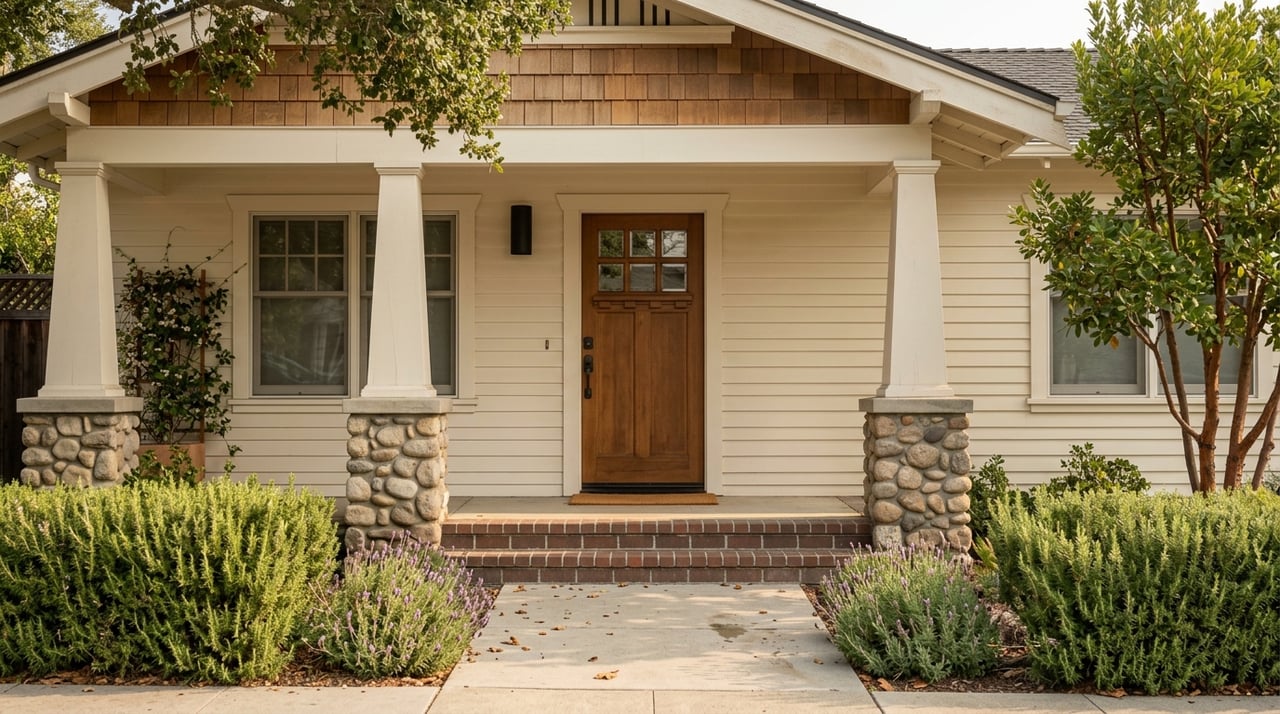
These flat interior streets feature mid-century tracts, bungalows, and cottage-style single-family homes. You’ll see tree-lined blocks with easy access to schools, parks, and a quick drive or bike ride to the station.
Yards and lot sizes vary by block. Homes can range from original-condition to fully updated, so plan for inspection diligence and potential remodeling.
South, near the Lomita Park border
Close to Burlingame, this area includes older, often smaller-lot single-family homes with a distinct neighborhood feel. You benefit from proximity to nearby city amenities while staying within Millbrae.
Expect pre-war houses in some pockets and a mix of updates. Visit at different times of day to gauge traffic and noise on connector streets.
Eastern hills and higher elevations
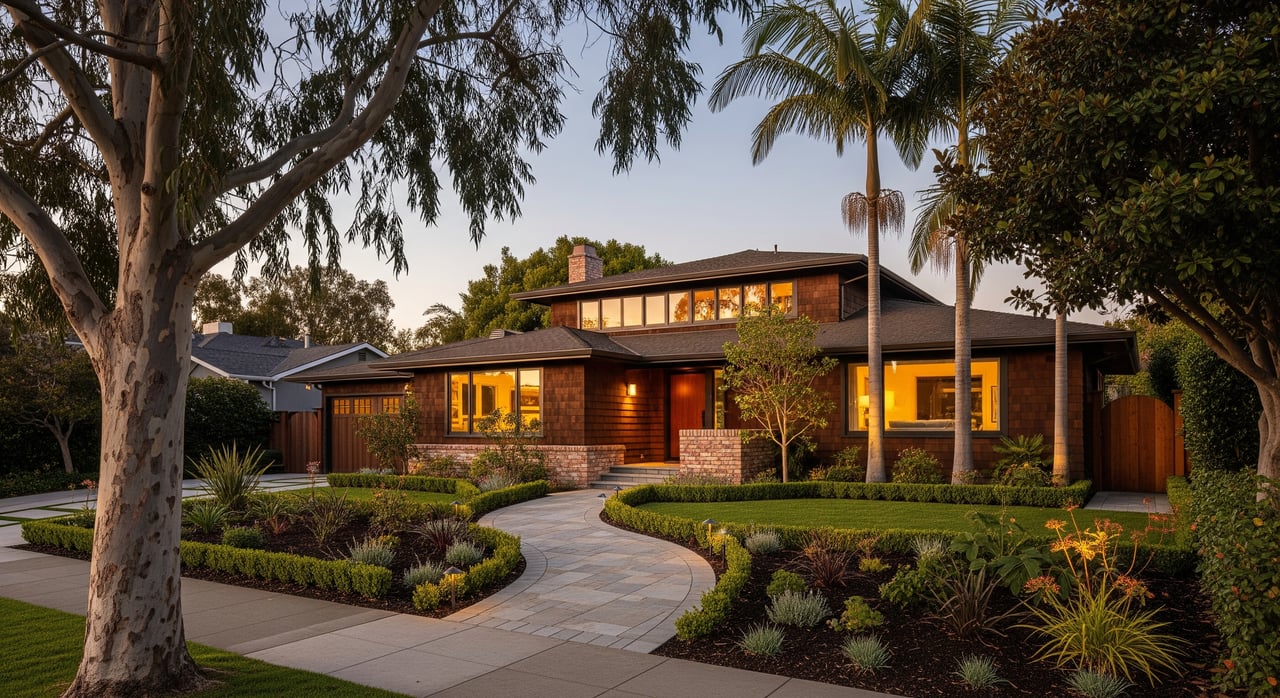
Hillside streets include larger lots and custom or mid-century homes, often with more bedrooms and the potential for bay or city views. Sun exposure can be favorable in these elevations.
Plan for slope-specific maintenance like retaining walls, grading, and drainage. Driveways can be steeper, and daily trips to transit are more likely by car.
North edge toward SFO
The northern boundary near the San Bruno line mixes residential and commercial uses. Some newer developments appear here, and access to regional routes is convenient.
Airport proximity makes noise checks important. If you are a frequent traveler, the location can be a plus, but visit during peak flight periods to confirm comfort.
Housing types and what to expect
Across Millbrae, you’ll see early 20th-century homes in pockets, many 1940s–1960s single-family tracts, and station-area infill condos and townhomes. Condition varies widely, so budget for updates or plan to target newer renovations if you prefer turnkey.
- Condos and townhomes: Expect HOA fees and community rules. Review rental policies, parking assignments, and budget reserves.
- Single-family homes: Lot sizes and layouts vary. In hillside zones, factor in slope maintenance and potential retrofit needs.
Ask the listing agent and inspector about roof age, foundation or retaining walls, HVAC, seismic retrofits, drainage, and any history of water intrusion. For HOA properties, read the full documents and recent meeting notes.
Commute realities to compare
Millbrae’s combined Caltrain and BART station is a major advantage. If you want a walk-to-transit lifestyle, the Downtown and Station area makes that most feasible. Central and southern flats are typically a short drive or bike ride away.
Driving access to US-101 and I-280 is straightforward, though El Camino Real can be busy at peak times. Station parking may be limited or require permits, so confirm current rules. For accurate commute expectations, run a timed test during your actual peak hours and check current transit schedules.
Topography, noise, and hazards
Hillside homes can offer sunshine and views but may require additional maintenance, including drainage management and structural attention to walls and slopes. Flats are easier for daily access and often come with simpler upkeep.
Airport noise affects parts of Millbrae. Review official noise exposure resources and visit during heavier flight activity. For hazard checks, consult FEMA flood maps for any low-lying parcels and verify earthquake-related upgrades such as foundation bolting.
Microclimates matter. Afternoon wind and marine layer can vary by sector, and eastern elevations may see more sun. Walk the block at different times of day to see how it feels in real life.
Amenities, schools, and services
Downtown and Station-area blocks offer the most walkable dining and coffee options, with convenience retail close by. The El Camino corridor provides chain stores and services. Central, Lomita Park-adjacent, and hillside pockets usually rely on a short drive or bike ride to shops.
Parks, playgrounds, and community facilities are spread through town, with central neighborhoods often closer to municipal parks and the library. Healthcare access extends into nearby Burlingame, San Mateo, and San Francisco.
For schools, verify the assigned schools by address with the Millbrae School District and the San Mateo Union High School District, and use California Department of Education data for performance context. Always confirm boundaries directly with the districts, since lines can change.
A simple decision framework
Start by ranking your priorities, then test candidates against them.
- Primary goal: commute-first, school-first, quiet streets, views, or walkability.
- Housing fit: single-family vs condo, HOA preference, typical lot size, and home age.
- Commute reality: door-to-desk time via Caltrain, BART, or car during peak hours.
- Transit access: walking distance or quick drive to Millbrae Station; bus routes and bike options.
- Parking: station rules, street permits, and driveway practicality.
- Noise and hazards: airport noise checks, FEMA flood zones, and slope or geotechnical factors.
- Schools: assigned school by address and district verification.
- Amenities: grocery, pharmacy, parks, and restaurants within 5–10 minutes.
- Market pace: recent comparable sales and time on market in the micro-area.
- Upcoming changes: city planning notices for station-area projects or roadway work.
Common Millbrae trade-offs
- Transit proximity vs price and noise: Closer to the station often means more activity and higher density, but less commute time.
- Views and sun vs maintenance and access: Hillside homes can bring slope care and steeper drives.
- Schools vs commute: Homes near in-demand schools may be farther from the station or on smaller lots.
- HOA convenience vs autonomy: Condos simplify exterior upkeep but add monthly fees and rules; single-family homes offer control with more responsibility.
Work with a local advisor
The right Millbrae neighborhood comes down to your daily rhythm and the trade-offs you prefer. A local expert can help you compare micro-areas, run property-level checks, and surface off-market options.
If you want a curated shortlist with commute tests, hazard checks, and recent comps, reach out to Sharlyne Murphy. As a boutique, Peninsula-focused agent with Compass tools, Sharlyne offers private access opportunities and a high-touch process to help you move with confidence.
FAQs
What are the main areas in Millbrae?
- Use six simple sectors for comparison: Downtown and Station, El Camino corridor, Central residential flats, South near Lomita Park, Eastern hills, and the North edge near SFO.
How does living near Millbrae Station compare to other areas?
- You gain top walkability to Caltrain and BART and easy access to dining, with more density and activity compared to quieter single-family pockets.
Are hillside homes in Millbrae harder to maintain?
- Hillside lots may need retaining wall care, drainage management, and occasional structural reviews, and driveways can be steeper than flats.
How can I verify school assignments for a Millbrae address?
- Confirm with the Millbrae School District and the San Mateo Union High School District and cross-check with California Department of Education resources.
What should I check about airport noise before buying?
- Review official FAA and SFO noise resources and visit the property during higher flight activity to gauge sound levels by block.
Do condos and townhomes in Millbrae have extra costs?
- Most have HOA fees and rules; review rental policies, parking, reserves, and recent meeting notes to understand obligations and coverage.