If you’re drawn to quiet roads, large lots, and a lifestyle shaped more by open space than busy commercial strips, Woodside stands out on the Peninsula. It appeals to buyers who want privacy, room to breathe, and close access to nature without giving up Bay Area connectivity. If you’re wondering what daily life here actually feels like, this guide will walk you through the pace, housing, amenities, and tradeoffs that come with living in Woodside. Let’s dive in.
Woodside Has a Distinctly Rural Feel
Woodside is not a typical Peninsula town. Town materials describe it as a small, rural, primarily residential community with no industrial land-use base and only limited retail, commercial, and service uses concentrated in a few areas.
That shapes the experience of living here in a very real way. Instead of dense blocks of shops and traffic, you’ll find a quieter setting defined by homes, natural areas, and a strong sense of separation from busier nearby cities.
Census QuickFacts lists Woodside at 5,309 residents with 11.47 square miles of land area, while town materials describe the community as roughly 14 square miles. Either way, the takeaway is similar. Woodside feels spacious, low-density, and intentionally preserved.
Daily Life Centers on a Small Town Core
For everyday errands, Woodside Town Center plays an outsized role. The town says this roughly 17-acre area serves as the village hub, with a grocery store, hardware store, restaurants, shops, offices, and Town Hall.
This is helpful context if you are coming from a more urban or suburban setting. You can take care of some daily needs locally, but Woodside is not designed around constant walkable convenience or a large commercial scene.
The town is currently studying updates to the Town Center Area Plan, including housing opportunities, improved parking and circulation, walkable spaces, and better public amenities. That suggests a continued effort to make the center more usable while keeping its small-scale character intact.
Outdoor Access Is a Big Part of the Lifestyle
One of Woodside’s biggest lifestyle advantages is how connected it feels to the outdoors. The town is almost completely surrounded by natural habitat areas, which helps create its secluded and open-space feel.
If you enjoy hiking, horseback riding, or simply having nature close to home, Woodside delivers in a way few Peninsula communities can. Nearby destinations include Thornewood Preserve, Teague Hill via the Bay Area Ridge Trail, El Corte de Madera Creek Preserve, and county parks such as Huddart and Wunderlich.
These are not just weekend attractions. In Woodside, outdoor access is woven into daily life, whether that means a trail walk before work, a ride on the weekend, or choosing a home because of its setting near trees, hills, and open land.
Equestrian Character Still Matters Here
Woodside has a long-standing equestrian identity, and it remains part of what makes the town unique. Town committees actively support public equestrian and pedestrian trails, and local materials note that many residents keep horses or live on horse-capable properties.
The town’s Livestock and Equine Heritage Committee also supports owners with issues tied to barns, paddocks, and emergency planning. That tells you this is not just branding or nostalgia. Horses are still part of the town’s living character.
Even if you do not own horses, this equestrian culture influences the feel of the community. It shows up in trail systems, property types, land use, and the overall rural atmosphere.
Recreation Is More Natural Than Programmed
If you are looking for large recreation complexes or a long list of town-run sports amenities, Woodside may feel limited. The town identifies Barkley Fields and Park as its only park and playing fields, and it is geared mainly toward youth soccer and little league baseball.
That does not mean there is nothing to do. It means recreation in Woodside leans more toward preserves, trails, county parks, and heritage destinations such as Filoli, the Horse Park at Woodside, the Woodside Store historic museum, and the Woodside History Museum.
For many buyers, that is part of the appeal. The lifestyle here feels more land-based and outdoors-oriented than programmed around large municipal facilities.
Homes Tend To Emphasize Space and Privacy
Woodside’s housing stock is shaped by its rural setting. Census data shows an 85.6% owner-occupied rate, a median value of owner-occupied homes at $2,000,000+, and median monthly owner costs with a mortgage at $4,000+.
In practical terms, this is an ownership-heavy market where larger single-family homes, estates, and privacy-oriented properties are much more common than condo or apartment living. If you want compact, low-maintenance housing in a highly walkable setting, Woodside is usually not the natural fit.
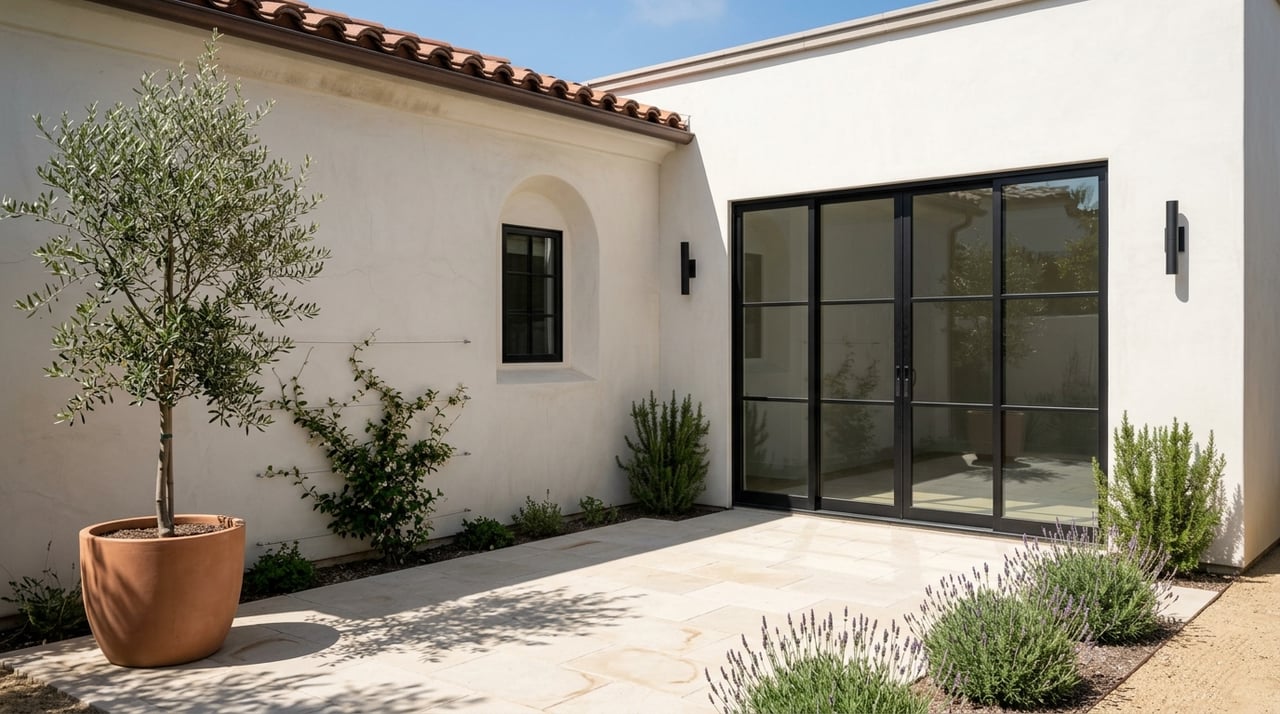
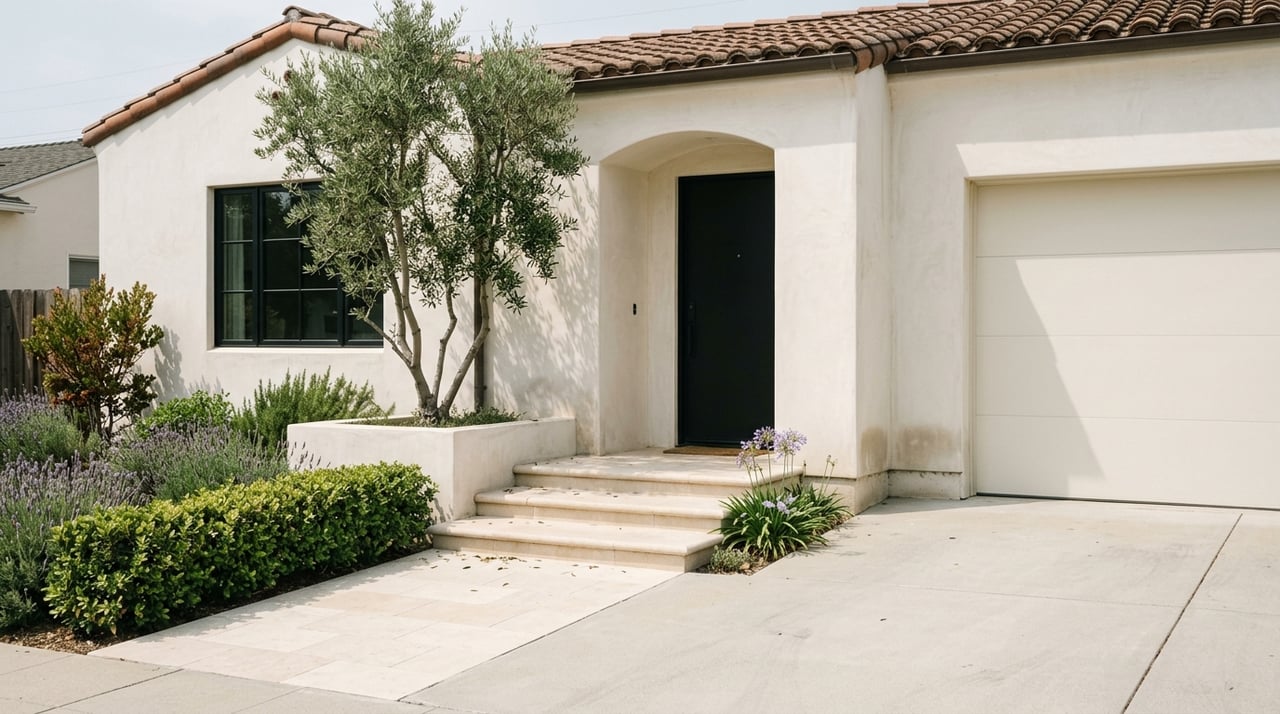
If, on the other hand, you value acreage, separation from neighbors, and a home that feels like a retreat, Woodside checks boxes that are hard to find elsewhere on the Peninsula. That is a major reason buyers continue to seek it out.
Building and Expanding Can Be More Involved
Woodside allows accessory dwelling units and even offers pre-approved ADU plans. Still, feasibility depends on site-specific conditions and Fire District standards.
Residential applications are also reviewed by the Architectural & Site Review Board for site planning, building design, landscape elements, and compatibility with community character. For you as a buyer or owner, that means additions, remodels, and new construction can involve more review and more sensitivity to the land than in denser suburban markets.
This is not necessarily a negative. For many homeowners, these standards help protect the rural character and natural beauty that drew them to Woodside in the first place.
Ownership Often Means More Upkeep
Living in Woodside can come with more property responsibility than living in a denser neighborhood. Local resources highlight wildfire preparedness as an important part of ownership, and the town offers a defensible-space and home-hardening matching fund.
That matters if you are comparing Woodside with places that have smaller lots or more managed surroundings. A property here may require more ongoing attention related to vegetation, maintenance, and emergency readiness.
For some buyers, that is a fair trade for privacy and space. For others, it is a reason to think carefully about whether the lifestyle matches their day-to-day preferences.
Commuting Is Road-Based, Not Transit-First
Woodside’s daily rhythm is shaped largely by the car. Woodside Road, which is State Route 84, connects the town west toward open space and east toward Interstate 280.
Census data shows a mean travel time to work of 28.8 minutes, and available profiles indicate that most workers drive alone, with a meaningful share working from home and very little public transit use. That lines up with what many buyers expect when they tour the area. Woodside feels accessible, but not transit-centered.
Caltrain service is available from Redwood City station, and there are shuttle connections between Caltrain and Stanford Redwood City. So while Woodside is not isolated, it functions more like a residential retreat with Bay Area access than a walk-to-everything town.
Schools Are Part of the Conversation
For buyers who are thinking long term, school district structure is often part of evaluating Woodside. The town is served by the Woodside Elementary School District for TK through 8, and by Woodside High School in the Sequoia Union High School District.
For some households, that smaller public district structure is part of the appeal. It fits the town’s overall scale and contributes to the sense that Woodside offers a quieter Peninsula setting with established community identity.
As with any move, it is wise to confirm current attendance, enrollment, and assignment details directly with the applicable district when you are narrowing your home search.
Who Woodside Fits Best
Woodside tends to be a strong fit if you want privacy, outdoor access, and a calmer pace while staying within reach of the broader Bay Area. It also makes sense for buyers who appreciate larger lots, equestrian character, and homes that feel more tucked away than centrally placed.
It may be less ideal if your top priorities are frequent walkability, a dense restaurant scene, easy transit use, or low-maintenance condo living. While the Town Center is evolving, the town’s core identity remains rural and open-space focused.
That is really the key to understanding Woodside. It offers a specific kind of Peninsula lifestyle, and for the right buyer, that focus is exactly the point.
If you’re considering a move to Woodside and want a clear, local perspective on how different properties, lot types, and micro-locations may fit your goals, Sharlyne Murphy can help you navigate the market with personal guidance and Peninsula insight.
FAQs
What is daily life like in Woodside, CA?
- Daily life in Woodside is quiet, residential, and centered more on open space, driving, and home life than on dense retail or walkable commercial activity.
What kinds of homes are common in Woodside, CA?
- Woodside is known for larger single-family homes, estates, and privacy-oriented properties rather than condos or apartment-style living.
Is Woodside, CA a good fit if you want walkability?
- Woodside has a small Town Center for basic errands, but it is generally not the best fit if you want a highly walkable, amenity-dense lifestyle.
What makes Woodside, CA different from other Peninsula towns?
- Woodside stands out for its rural character, equestrian culture, extensive trail access, large lots, and strong connection to surrounding natural areas.
What should buyers know about owning a home in Woodside, CA?
- Buyers should expect a higher-touch ownership experience that can include more site-sensitive review for projects, wildfire-preparedness responsibilities, and ongoing property maintenance.
How do people commute from Woodside, CA?
- Most commuting is road-based, with Woodside Road connecting to Interstate 280, while Caltrain access is typically reached via Redwood City station.