Wondering whether a classic home or an updated home is the better fit in Menlo Park? It is a smart question, especially in a market where many homes were built decades ago and buyers often face a real tradeoff between charm and convenience. If you are trying to decide what matters most for your budget, lifestyle, and long-term plans, this guide will help you compare the two with more clarity. Let’s dive in.
Why This Choice Matters in Menlo Park
Menlo Park has an older housing stock than many buyers expect. City housing data shows that about 52.1% of homes were built before 1960, and about 81.2% were built before 1980. Only 3.9% of the housing stock was built in 2010 or later.
That matters because your home search here is rarely a simple choice between old and new. More often, you are comparing a classic home with original character and future potential against a home that has already been renovated or rebuilt to fit current preferences.
Menlo Park is also a competitive market. Recent Redfin data shows homes receive about three offers on average, sell in around 13 days, and had a median sale price of $3.29 million over the three months ending May 2026. In a fast market like this, knowing your priorities before you write an offer can save time and stress.
What Counts as a Classic Home
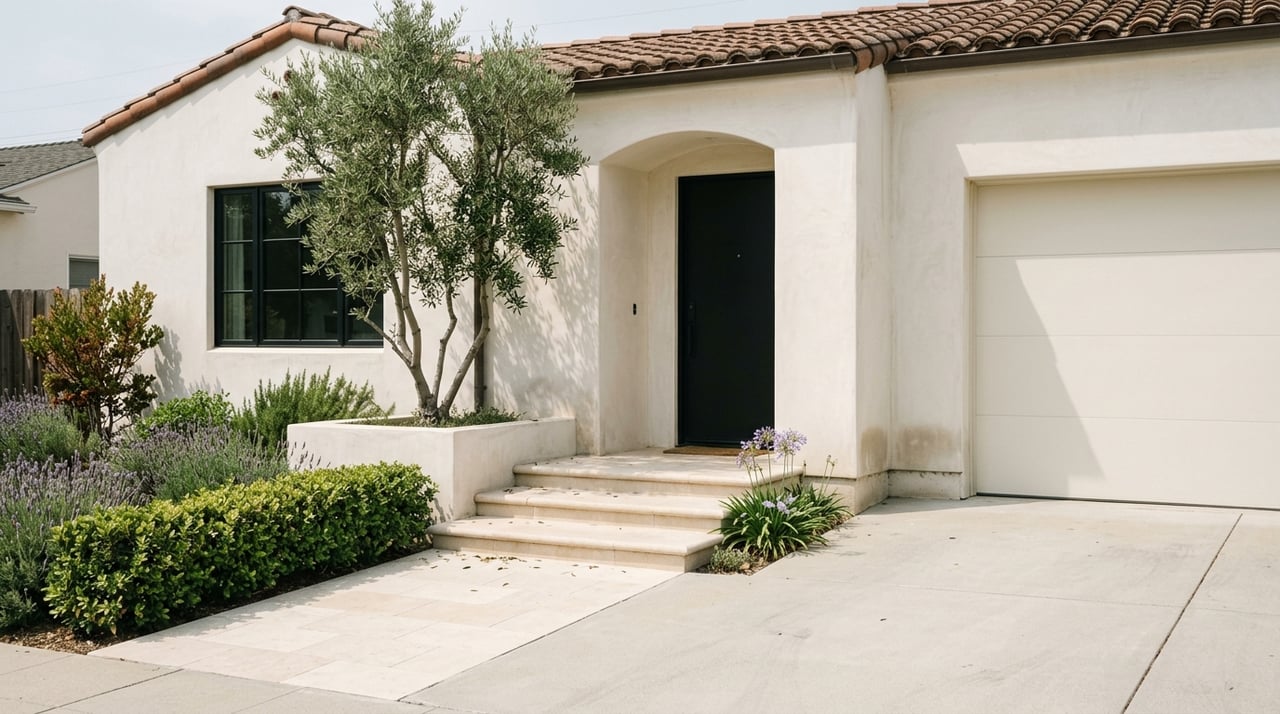
In Menlo Park, classic homes usually refer to older one- or two-story houses with established architectural character and traditional proportions. City materials describe home types such as bungalows, classical box homes, Colonial, Spanish Colonial, Tudor, and postwar ranch houses.
These homes often reflect the shape and rhythm of long-established neighborhoods. You may see low-pitched roofs, deep eaves, projecting porches, boxy forms, or the long, horizontal lines that define many ranch homes.
In areas like the Willows SW, city historic materials note a mix of early 20th century forms and postwar ranch homes. In Belle Haven, the city describes ranch houses, especially modest one-story homes from the 1940s to 1960s, as the predominant type.
What Updated Homes Usually Offer
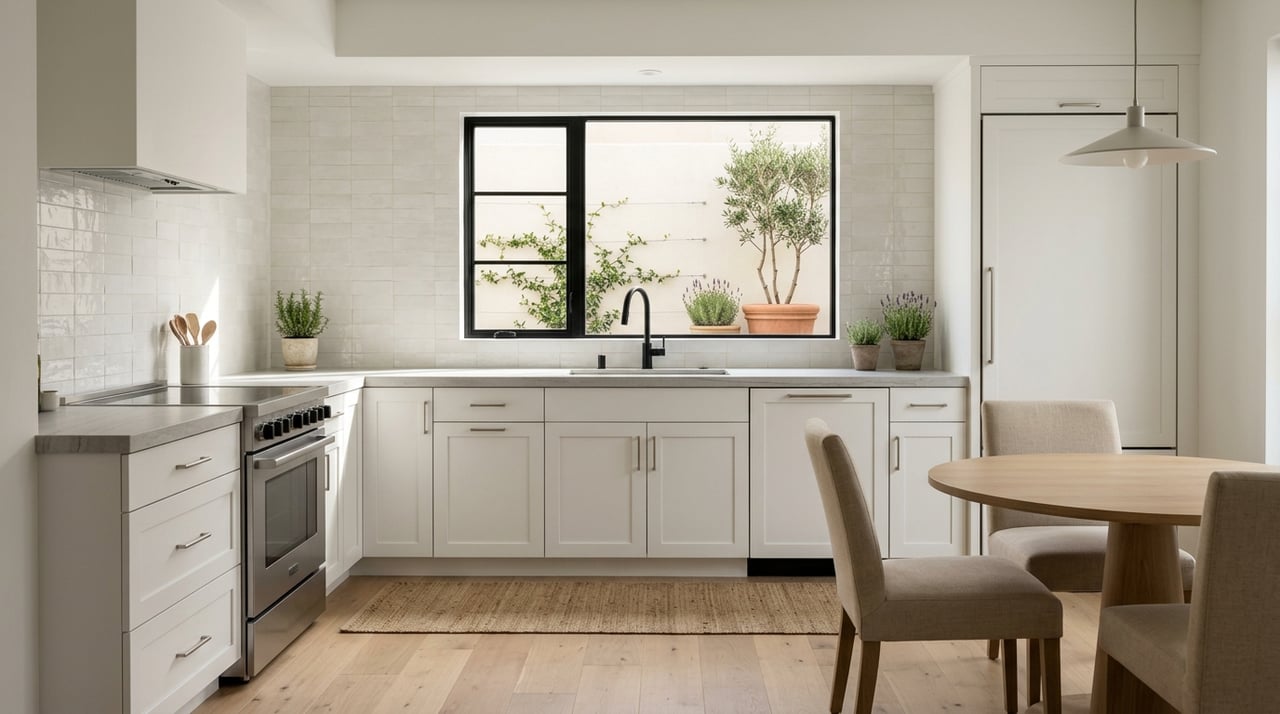
Updated homes in Menlo Park tend to appeal to buyers who want function right away. Local home-trend data points to features like gourmet kitchens, double-pane windows, floor-to-ceiling windows, skylights, separate family rooms, laundry areas, and storage as features linked with higher value.
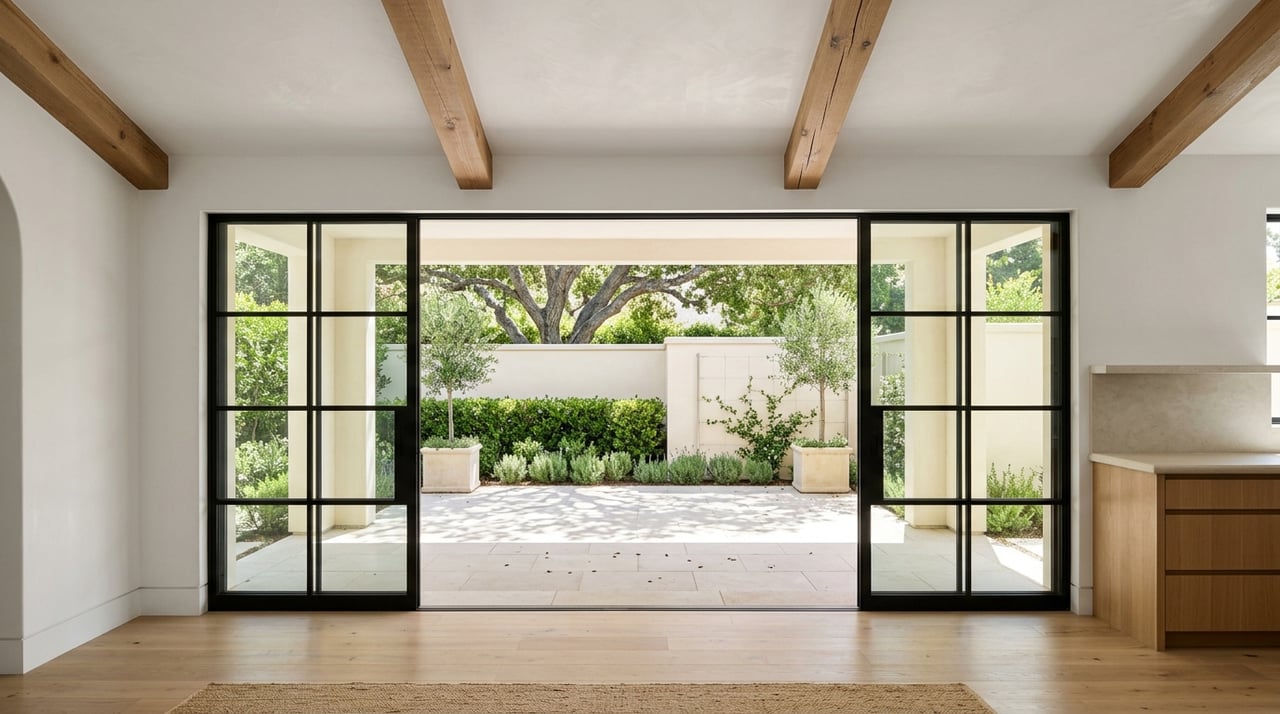
Some updated or rebuilt homes also reflect mid-century modern or more contemporary Bay Area design. City documents describe mid-century modern hallmarks such as expansive glass walls, horizontal orientation, open floor plans, and stronger indoor-outdoor connection.
For many buyers, the appeal is simple. An updated home often gives you a more efficient layout, modern finishes, and fewer near-term projects to manage after closing.
The Case for Classic Homes
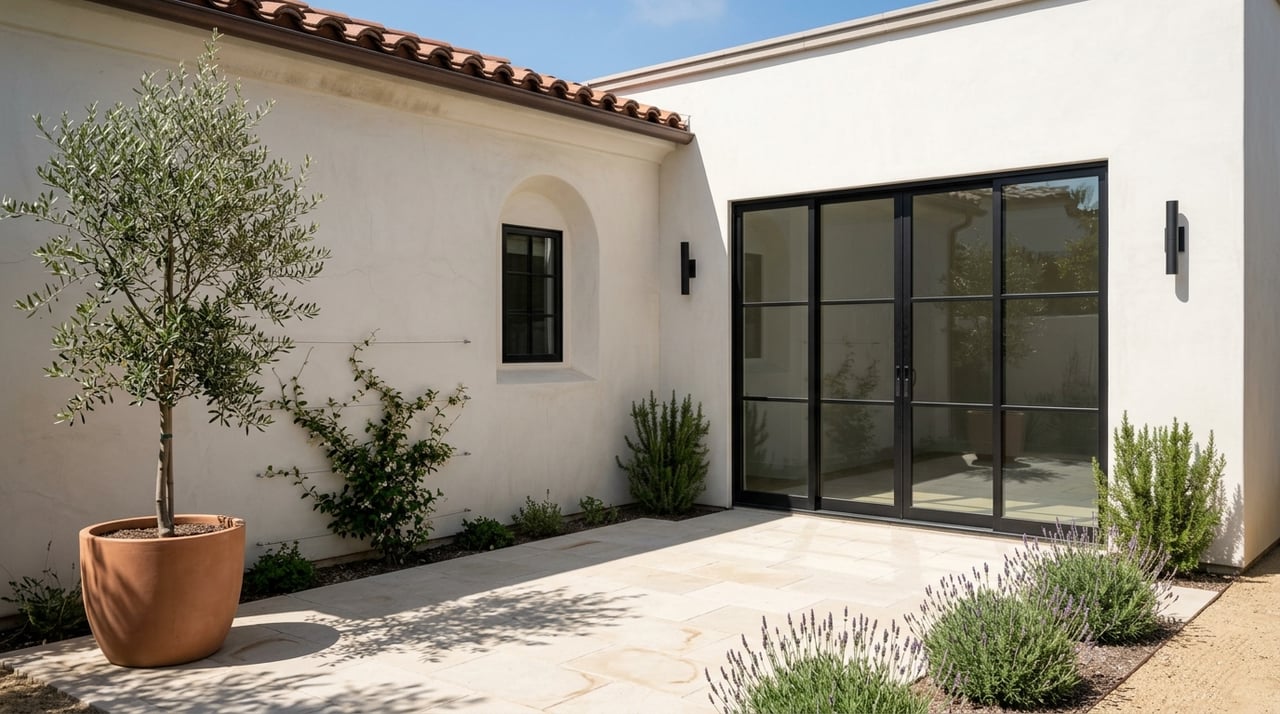
A classic home can offer something that is hard to recreate. In Menlo Park, older homes are often part of neighborhood character, with mature landscaping and architecture that helps define the feel of a block.
If you value originality, a classic home may give you more personality than a recently renovated property. You may also have the chance to improve the home over time in a way that fits your own style and goals.
Classic homes can also be attractive if you are comfortable taking a longer view. Instead of paying upfront for someone else’s renovation choices, you may prefer to buy the location and structure first, then make updates as your budget and plans evolve.
The Case for Updated Homes
Updated homes are often the easier choice if you want predictability. When a home already has the layout, windows, kitchen, and storage features that buyers commonly want, you may be able to move in with fewer immediate expenses.
That can matter a lot in a high-priced market. If your cash reserves need to cover closing costs, reserves, and future flexibility, a home with less near-term capital work may feel more manageable.
An updated home can also help if your timeline is tight. If you are relocating, balancing work and family demands, or simply do not want to manage contractors and permits, the convenience can be worth a premium.
Key Tradeoffs to Weigh
The decision usually comes down to a few practical questions.
Character vs Convenience
Classic homes often offer more architectural identity. Updated homes usually offer more immediate comfort and function.
If the details of an older home make you excited, the tradeoff may be worth it. If you care more about day-one usability, an updated home may be the better fit.
Flexibility vs Certainty
A classic home can give you room to shape the property over time. That optionality can be valuable, especially if you see potential in the lot, layout, or long-term use.
An updated home gives you more certainty about what you are buying today. You can usually underwrite your near-term costs with more confidence.
Upfront Cost vs Future Cost
A classic home may seem like the better entry point if it needs work, but future improvement costs can change the math. An updated home may cost more upfront, yet reduce the risk of large projects soon after purchase.
In Menlo Park, where values are high, both paths deserve careful budgeting. The right answer depends on how much work you are willing to take on and when.
Menlo Park Rules Older-Home Buyers Should Know
If you are considering a classic home, planning rules matter. Menlo Park states that a legally built but nonconforming house may continue to exist even if it does not meet current setback or daylight-plane rules.
That sounds straightforward, but the key issue is what happens when you want to change it. New construction must meet current requirements, and some larger projects may require Planning Commission review.
This can affect how you think about expansion potential. A home that looks easy to remodel on paper may come with design or approval limits once you dig into the details.
Flood-Zone Risk Can Change Renovation Plans
Flood-zone status is another important piece of the puzzle in Menlo Park. The city states that a substantial improvement, defined as a project costing more than half the value of the existing house, can trigger full compliance with current FEMA standards and the city’s flood-damage ordinance.
For buyers, this means renovation scope matters as much as renovation cost. A project that crosses that threshold may lead to a very different construction plan than you expected.
This does not mean you should avoid older homes in these areas. It means you should evaluate flood-zone status early and understand how it may affect your improvement strategy.
Lot Potential Matters Too
In Menlo Park, the value of a classic home is not only inside the house. The city allows ADUs, including detached ADUs that can exceed some standard yard and height rules in certain cases.
That makes site layout and lot size more important than many buyers first assume. If you are looking at a property with improvement potential, the shape and usability of the lot may matter just as much as the current condition of the kitchen or baths.
This is one reason two older homes at a similar price point can offer very different long-term value. One may be mainly a cosmetic project, while another may create more flexibility for future living or investment use.
A Simple Way to Decide
If you are torn between classic and updated homes in Menlo Park, start with your tolerance for uncertainty. Be honest about how much time, money, and energy you want to invest after closing.
A classic home may be the better fit if you value character, are open to future work, and want to shape the property over time. An updated home may be the better choice if you want efficiency, fewer near-term projects, and a smoother move-in experience.
In a city where most homes were built decades ago and competition stays strong, there is no one-size-fits-all answer. The best decision is the one that matches your lifestyle, risk comfort, and long-term plan.
If you want help comparing homes block by block in Menlo Park, Sharlyne Murphy can help you weigh condition, remodel potential, and market fit with a calm, local perspective.
FAQs
What is considered a classic home in Menlo Park?
- In Menlo Park, classic homes usually refer to older one- or two-story houses such as bungalows, Colonial or Spanish Colonial styles, Tudor homes, and postwar ranch houses that reflect long-established neighborhood patterns.
What features do updated homes in Menlo Park often include?
- Updated homes in Menlo Park often include features buyers value right away, such as gourmet kitchens, double-pane windows, floor-to-ceiling windows, skylights, separate family rooms, laundry areas, and added storage.
Why do renovation rules matter for older Menlo Park homes?
- Renovation rules matter because a legally built older home may be nonconforming under current setback or daylight-plane rules, and new construction or larger projects may need to meet current standards or go through additional city review.
How do flood zones affect classic homes in Menlo Park?
- In Menlo Park flood zones, a substantial improvement project costing more than half the value of the existing house can trigger compliance with current FEMA standards and the city’s flood-damage ordinance.
Can lot size add value to a classic home in Menlo Park?
- Yes. Because Menlo Park allows ADUs, including certain detached ADUs with flexibility around standard yard and height rules, lot layout and usable site area can be an important part of a property’s long-term potential.