If you have toured Burlingame homes, you have probably noticed something right away: certain older houses feel especially tied to the city’s identity. Craftsman and Mediterranean homes show up again and again, and for good reason. Understanding what sets these styles apart can help you spot original character, evaluate updates, and decide which kind of home fits how you want to live. Let’s dive in.
Why These Styles Stand Out in Burlingame
Burlingame’s housing history explains why Craftsman and Mediterranean homes are so visible today. According to the city, much of the housing stock was built between the 1890s and 1960s, with a major wave of development from 1915 to 1930. That period brought bungalows, Craftsman and Prairie School homes, along with provincial styles that included Mediterranean details.
The city’s history also points to strong growth after the 1906 San Francisco earthquake, incorporation in 1908, and further expansion in the 1920s. In practical terms, that means many homes you tour today come from the exact era when these styles were popular. They are not outliers in Burlingame. They are part of the city’s core residential character.
Burlingame’s planning documents go a step further and connect neighborhood style to design quality, home values, and neighborhood cohesion. The city’s design-review process is intended to help new or significantly remodeled homes fit with the surrounding neighborhood fabric. For you as a buyer, that matters because architectural character is not just aesthetic. It is part of how the city thinks about long-term neighborhood identity.
What Defines a Burlingame Craftsman Home
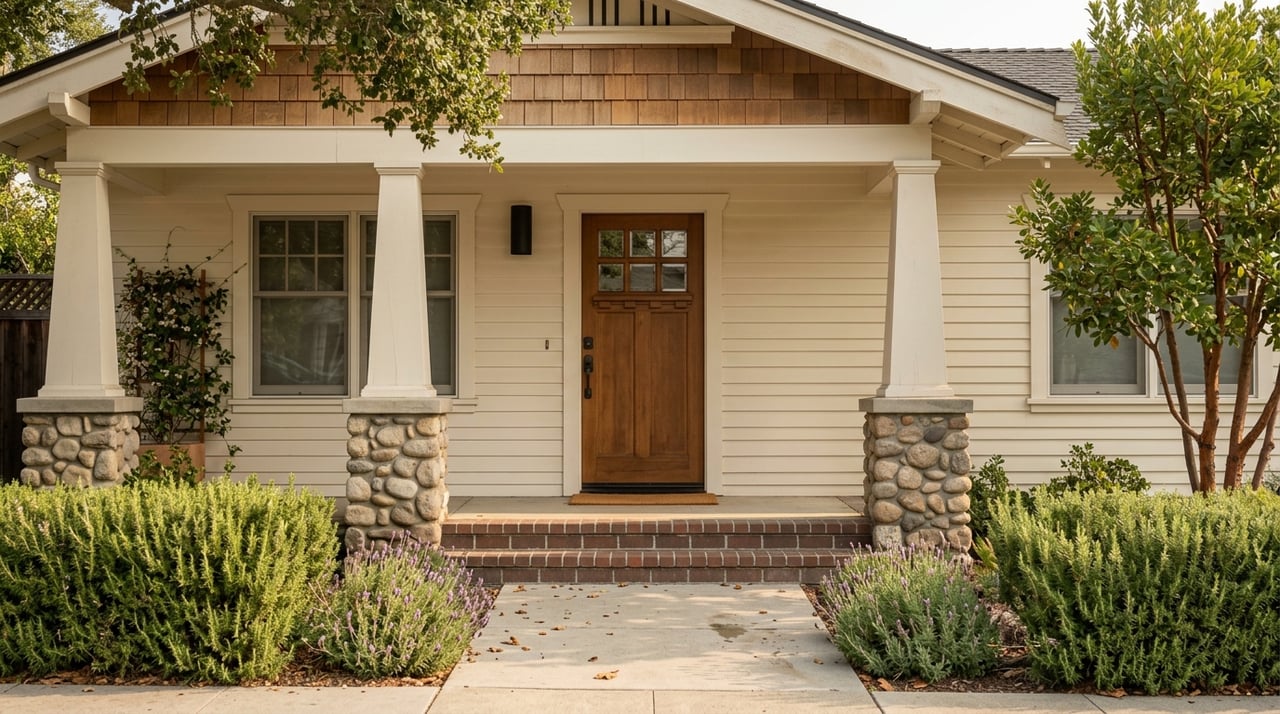
Craftsman homes in Burlingame often feel warm, grounded, and handmade in appearance. They tend to emphasize visible structure and natural materials rather than formal decoration. Even from the sidewalk, they usually read as welcoming and porch-centered.
Key Craftsman Features
When you tour a Burlingame Craftsman, look for features like these:
- Low-pitched or steep front-gable roofs
- Wide overhanging eaves
- Exposed rafter tails or knee braces
- Broad front porches
- Tapered porch posts, often set on piers
- Wood shingles or wood siding
- Dormers and wood-sash windows
Burlingame’s historic inventory includes local examples with many of these traits. Homes such as 12 Lorton Avenue, 625 California Drive, 1201 Oak Grove Avenue, and 107 Highland Avenue show recurring Craftsman details like wide eaves, wood shingles, brackets, exposed rafter tails, and strong porch forms.
Why Original Details Matter in Craftsman Homes
With Craftsman homes, the overall character often depends on proportion and texture. The roofline, porch shape, siding, and window rhythm all work together. If those elements remain intact, the house can still feel authentic even after a thoughtful renovation.
On the other hand, heavy changes to the porch, roof proportions, or exterior materials can weaken the original style. Burlingame’s historic inventory repeatedly notes the importance of homes that retain their basic form and defining exterior features. So if you love Craftsman architecture, it is worth looking past cosmetic finishes and focusing first on what has been preserved.
What Defines a Burlingame Mediterranean Home
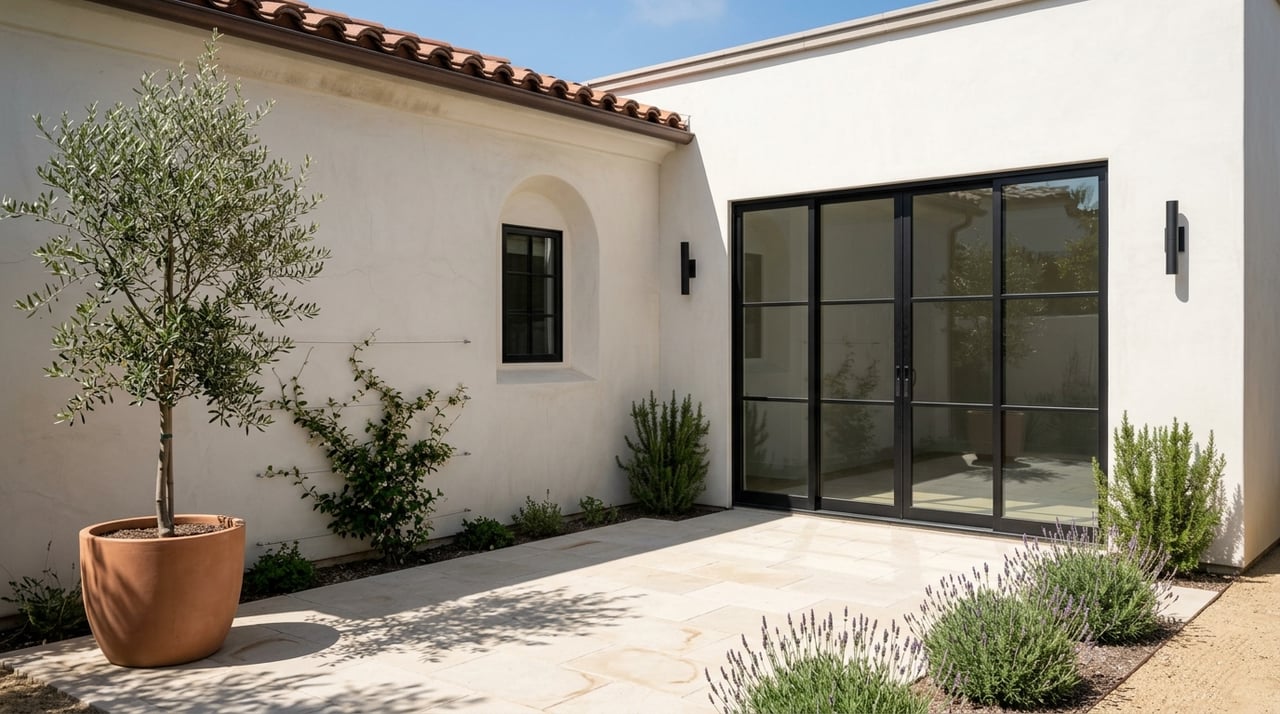
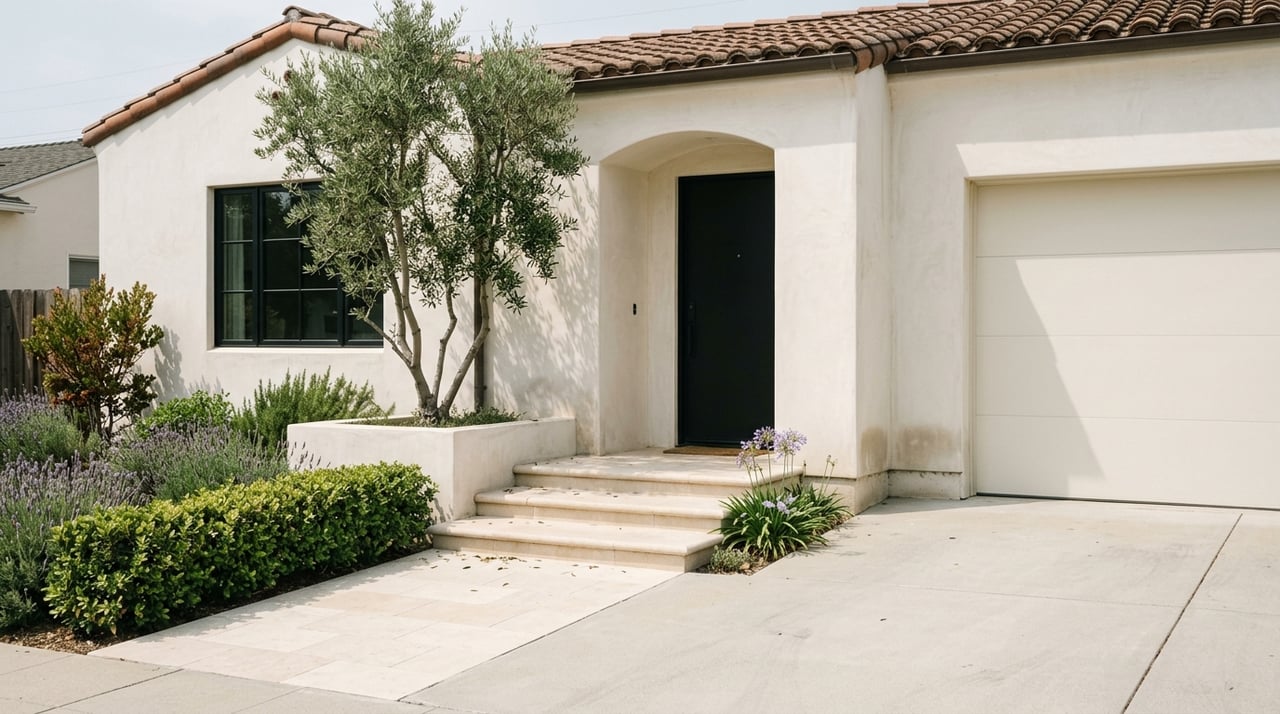
Mediterranean homes in Burlingame usually present a different kind of appeal. Compared with Craftsman homes, they often feel smoother, more formal, and more focused on silhouette and surface. Instead of exposed structure and wood detail, the visual interest comes from stucco, arches, tile, and carefully composed facades.
Key Mediterranean Features
In Burlingame, homes described as Mediterranean-style, Spanish Eclectic, or Spanish Colonial Revival often share features such as:
- Stucco exterior walls
- Clay tile roofs or tile-clad awnings
- Arched or rounded openings
- Shaped parapets
- Enclosed entry porches
- Curved corners or decorative brackets
- Formal, balanced front elevations
The city’s historic inventory offers strong local examples. At 1401 Bellevue Avenue, the description highlights a flat roof with a shaped parapet, stucco cladding, a clay tile-clad awning, and curved-corner picture windows. Other Burlingame homes in the same style family feature arched entries, tile roofs, and stuccoed elevations.
How Mediterranean Homes Feel Different
If Craftsman homes tend to feel casual and porch-oriented, Mediterranean homes often feel more composed and facade-driven. The design emphasis is usually on wall texture, arched openings, roof silhouette, and a more formal street presence. That difference is one reason buyers often have a strong reaction to one style over the other.
Neither is better. It really comes down to what you are drawn to when you picture your next home. Some buyers want visible woodwork and a bungalow feel, while others prefer stucco, tile, and a more refined exterior expression.
Craftsman vs. Mediterranean in Burlingame
If you are deciding between the two, it helps to compare them side by side.
| Feature | Craftsman | Mediterranean |
|---|---|---|
| Exterior feel | Textured, natural, porch-centered | Smooth, formal, facade-focused |
| Common materials | Wood shingles or siding | Stucco and clay tile |
| Roof details | Gables, wide eaves, exposed rafters | Low roofs, tile roofs, parapets |
| Entry style | Broad front porch | Arched or enclosed entry |
| Visual character | Warm and handcrafted | Composed and elegant |
In Burlingame, both styles belong to the city’s earlier residential development pattern. That means the decision is usually less about which one is more “Burlingame” and more about which one best matches your taste, priorities, and comfort with maintenance or future updates.
How Modern Updates Affect Character
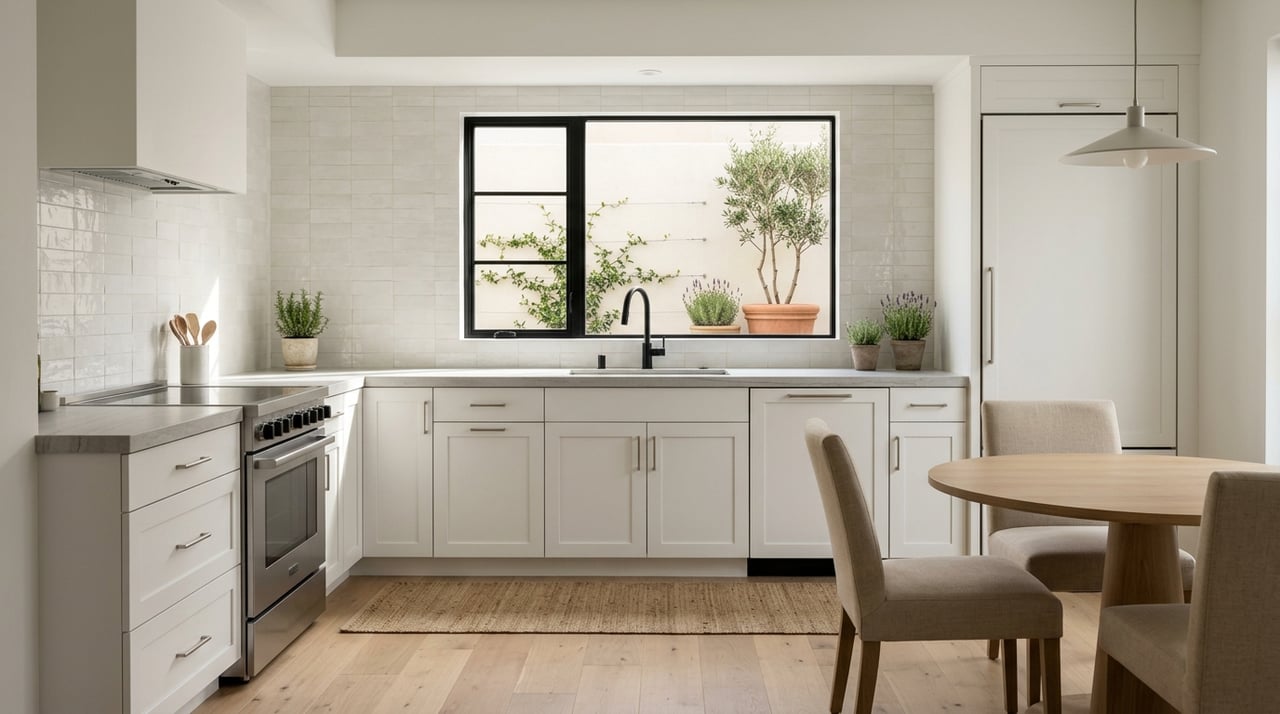
Very few older homes remain exactly as they were when first built. In Burlingame, modernization is common, but the city’s rules make clear that context still matters. New houses, most second-story additions, and some single-story additions require Planning Commission design review and are evaluated using the Residential Design Guidebook.
The city’s broader planning framework says that new and substantially remodeled homes should integrate with the existing neighborhood fabric. Burlingame also has an ADU development guide, which shows that accessory dwelling units are part of today’s modernization landscape. For buyers, that means updates are possible, but they are shaped by local review standards.
Common Changes You May See
Burlingame’s historic inventory shows a range of changes that often appear in older homes:
- Enclosed porches
- Replacement windows
- Facade remodeling
- Rear additions
- Garage additions
- Conversions from single-family use to duplex or commercial use
Not all changes affect style the same way. In many cases, the best updates are the ones that keep the main roofline, porch scale, exterior material palette, and window proportions aligned with the original design. Those choices help the home continue to read clearly as Craftsman or Mediterranean, even after substantial improvements.
What Buyers Should Look For on Tour
When you walk through older Burlingame homes, try to look beyond staging and surface finishes. Paint colors and countertops can change. Core architectural character is harder to replace.
Questions Worth Asking
As you tour, pay attention to:
- Does the main roofline still look original to the house?
- Has the front porch been preserved, altered, or enclosed?
- Do the windows match the original scale and rhythm?
- Are the exterior materials consistent with the home’s style?
- Do additions feel integrated or obviously disconnected?
These questions can help you judge whether a home has been updated in a way that respects its architecture. In Burlingame, where planning policy emphasizes neighborhood cohesion and design quality, those details often matter as much as square footage.
Which Style May Suit You Best
If you are style-conscious, your decision may come down to how you want a home to feel day to day. Craftsman homes often appeal to buyers who love warmth, wood detail, broad porches, and a more relaxed street presence. Mediterranean homes often attract buyers who prefer stucco walls, arches, tile elements, and a cleaner, more formal facade.
There is also a practical side to the choice. Older homes of either style may come with maintenance considerations and a mix of original and updated elements. That is why the best question is often not simply which style you prefer, but how much original character you want, how comfortable you are with future improvements, and which home feels most aligned with your lifestyle.
In Burlingame, that mix of history, design continuity, and thoughtful modernization is part of what makes these homes so compelling. If you want help evaluating the character, condition, and long-term fit of a Burlingame home, Sharlyne Murphy can help you navigate the details with clear, local guidance.
FAQs
What makes Craftsman homes easy to recognize in Burlingame?
- Craftsman homes in Burlingame often have wide eaves, exposed rafter tails or knee braces, front porches, tapered porch posts, wood shingles or siding, and strong gabled rooflines.
What are common Mediterranean home features in Burlingame?
- Mediterranean-style homes in Burlingame often include stucco walls, clay tile roofs or awnings, arched openings, shaped parapets, enclosed entries, and a more formal front facade.
Why are Craftsman and Mediterranean homes so common in Burlingame?
- Burlingame saw major residential development from the 1910s through the 1920s, which was the same period when Craftsman, bungalow, and Mediterranean-influenced styles were widely built.
How do renovations affect older Burlingame homes?
- Renovations can preserve or weaken a home’s character depending on whether they keep important features like the roofline, porch form, exterior materials, and window proportions consistent with the original design.
What should buyers focus on when touring Burlingame historic-style homes?
- Buyers should pay close attention to how much original exterior character remains, how additions fit the house, and whether updates respect the home’s architectural style and the surrounding neighborhood context.