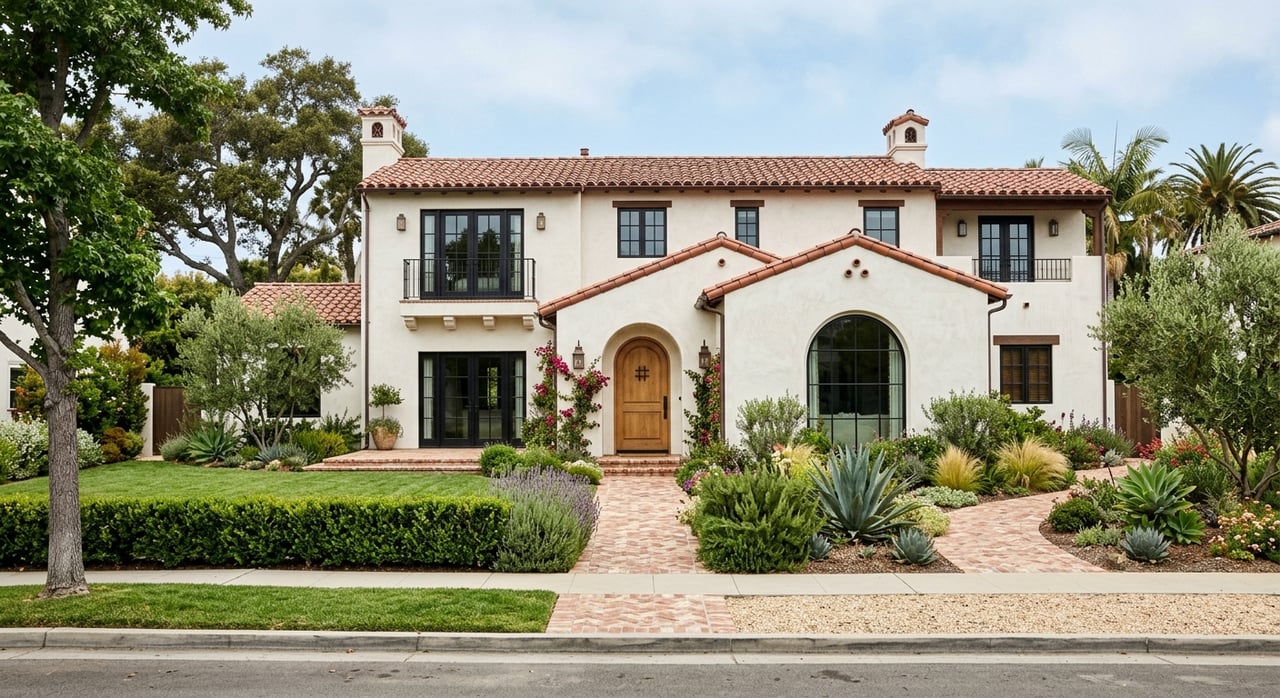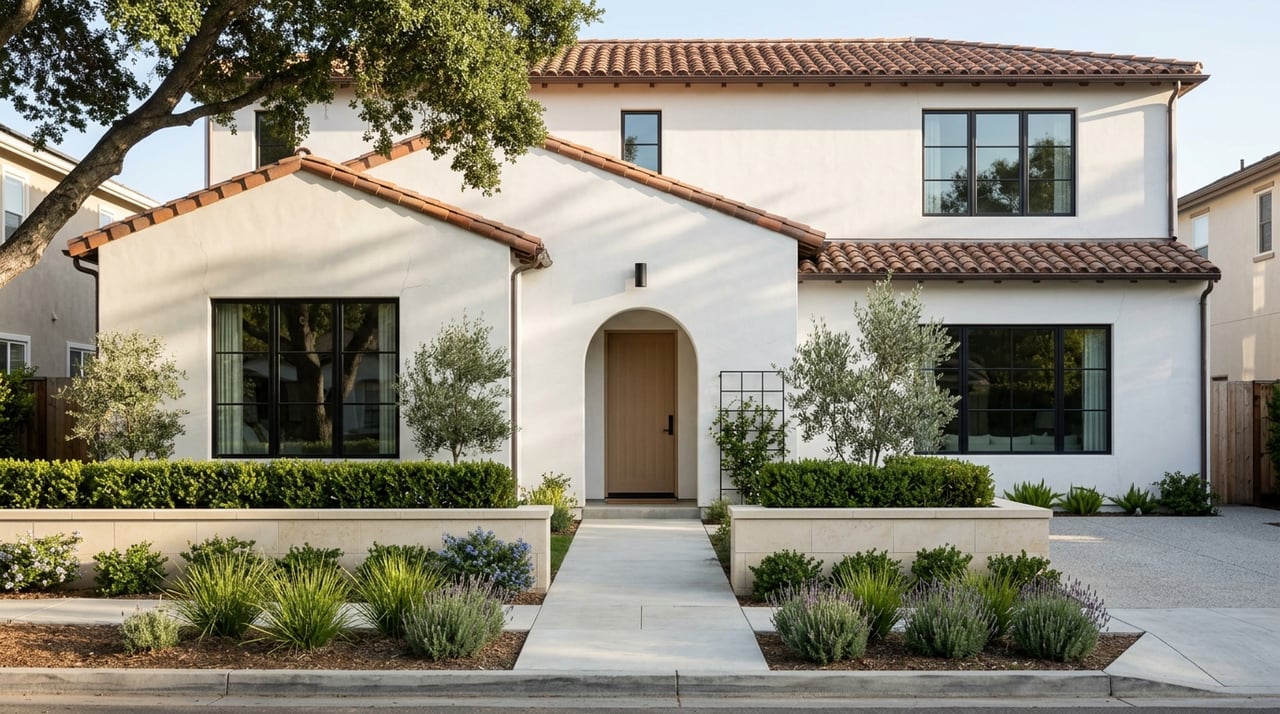
Trying to choose a Palo Alto neighborhood can feel harder than choosing the house itself. One block may put you near a train station and busy cafés, while another gives you a quieter residential setting, larger lots, or a very different commute pattern. If you want to narrow your options with more confidence, this guide will help you compare Palo Alto neighborhoods by lifestyle, housing feel, transit access, and everyday convenience. Let’s dive in.
Start With How You Want To Live
In Palo Alto, neighborhood choice is often less about a single “best” area and more about fit. The city is made up of distinct micro-areas, with everything from historic districts and mixed-use downtown blocks to Eichler neighborhoods and quieter southside residential pockets.
A helpful first step is to decide what matters most in your daily routine. For many buyers, the biggest decision points are walkability, commute access, housing style, lot size, and how much activity they want around them.
What Sets Palo Alto Neighborhoods Apart
Housing Style Varies Widely
Palo Alto has more housing variety than many buyers expect. Depending on the area, you may see historic homes from the late 1800s and early 1900s, older cottages, mid-century Eichler homes, small-lot single-family homes, or homes near mixed-use commercial streets.
That means your neighborhood choice can shape your home search in a major way. If you already know you prefer a certain home style or lot character, that can quickly narrow the map.
Walkability Changes By Area
Walkability is one of the clearest differences between neighborhoods. The city identifies University Avenue and California Avenue as key pedestrian-oriented districts, with downtown blocks designed around shopping, dining, and walking access.
If being able to step outside and walk to coffee, restaurants, errands, or Caltrain matters to you, those locations may stand out. If you prefer a more residential setting, you may trade some walkability for quieter streets or a different home layout.
Commute Access Can Shift Your Priorities
Palo Alto is notably well served by transit for a suburban city. The city says there are two Caltrain stations, the Palo Alto station and the California Avenue station, along with Palo Alto Link and Stanford’s free Marguerite shuttle network.
In practical terms, that can make one neighborhood feel much more convenient than another depending on where you work. Access to Stanford campus, the medical center, or Stanford Research Park is especially important for many buyers comparing neighborhoods.
Parking And Traffic Matter More Up Close
Close-in neighborhoods can offer strong convenience, but they may also come with more parking demand or traffic management. The city has parking or traffic-related programs in places like Crescent Park, downtown, and California Avenue, reflecting heavier demand in those areas.
That does not make those neighborhoods less appealing. It simply means your comfort with parking rules, visitor parking, and traffic patterns should be part of the decision.
Compare Palo Alto Neighborhood Clusters
Downtown, University South, And Professorville
This is one of Palo Alto’s most urban-feeling areas. University Avenue is downtown’s main commercial corridor and a key route toward Stanford, with pedestrian-focused design features such as wide sidewalks, outdoor dining areas, and streetscape improvements.
Professorville also brings a strong historic identity. The area dates back to the 1890s and early 1900s and was originally developed for Stanford professors, which gives this part of the city a distinct architectural and historical character.
If you want to prioritize walkability, dining, arts, and easy Caltrain access, this cluster is often a strong fit. In many cases, buyers here are choosing location and energy over larger yard space or a quieter suburban feel.
California Avenue, Midtown, And Greenmeadow
California Avenue offers one of the clearest pedestrian districts in Palo Alto. The city describes it as a pedestrian activity center with compact blocks, ground-floor commercial uses, boutiques, restaurants, public art, and a year-round farmers market.
For buyers who want errands and everyday amenities nearby, this area can feel very practical. It often strikes a middle ground between the more urban downtown core and more residential neighborhoods farther south.
Midtown is also being framed in city planning work as a neighborhood-serving pedestrian district. Greenmeadow, by contrast, is known for its historic Eichler neighborhood character, spacious living areas and lots, floor-to-ceiling windows, and community amenities such as a park, pool, and community center.
This broader cluster can work well if you want convenience with a more residential feel than downtown. It can also be a smart area to consider if access to California Avenue Caltrain and Stanford shuttle connections matters to your commute.
College Terrace
College Terrace is one of Palo Alto’s oldest neighborhoods and sits directly next to Stanford University. It has a broad mix of architectural styles, four small parks, and the city’s oldest branch library.
If proximity to campus is a top priority, College Terrace is one of the clearest options to explore. Many buyers are drawn to its traditional neighborhood grid, established character, and strong local identity.
This area can be especially appealing if you want a neighborhood setting while staying close to Stanford and nearby transit connections. As always, it helps to weigh that convenience against your preferences for lot size, street activity, and home style.
Barron Park, Southgate, And Evergreen Park
Barron Park has one of the more distinctive identities in south Palo Alto. The neighborhood association notes its semi-rural character, and the city highlights Bol Park’s meadow paths, mature trees, native-plant garden, and the Barron Park donkey pasture.
If open space and neighborhood character matter more to you than being in the middle of the busiest commercial districts, this area may stand out. It offers a different feel from downtown and California Avenue.
Southgate and Evergreen Park also appeal to buyers looking for a more residential environment. City materials describe this subarea as primarily small-lot single-family detached housing with some multifamily development, centered around Peers Park and supported by proximity to downtown, California Avenue, and Stanford open space.
These neighborhoods may fit buyers who want a strong neighborhood identity and everyday livability, while understanding that rail crossings and arterial streets can affect movement through the area.
Old Palo Alto And Crescent Park
Old Palo Alto and Crescent Park are classic close-in residential neighborhoods. Buyers often consider them when they want an established setting near the core of town without being directly in the most commercial areas.
Old Palo Alto is known for its range of architectural styles and close-in location. Crescent Park offers similar proximity advantages, but city programs also show why buyers should look closely at parking and traffic conditions there.
The city created a no-overnight-parking program in Crescent Park after resident concerns about outside parking. It also launched traffic-calming efforts in response to cut-through traffic, congestion, and speeding, so car use and traffic tolerance should be part of your evaluation.
Match The Neighborhood To Your Commute
Best Areas For Train And Walk Access
If you plan to rely on Caltrain plus walking, homes near the Palo Alto station or the downtown core are often the most convenient. The Palo Alto Transit Center is a regional mobility hub next to Stanford University and is served by Caltrain, VTA, SamTrans, Dumbarton Express, and Stanford’s Marguerite shuttle.
That kind of connectivity can simplify daily routines if you commute frequently or want flexibility without relying on a car for every trip. It can also make everyday access to downtown amenities easier.
Best Areas For Stanford Access
For many buyers, Stanford access is a major factor. Stanford transit materials show direct service from the Palo Alto and California Avenue Caltrain stations into campus, the medical center, and Stanford Research Park.
That makes College Terrace, Downtown or University South, and the California Avenue area especially worth considering if your routine is tied to Stanford. California Avenue can be particularly useful for Research Park access because Stanford’s shuttle network includes a CAX line between California Avenue Caltrain and Stanford Research Park.
Neighborhoods Farther From Rail
Neighborhoods farther from the rail corridor can still be highly livable. The difference is that you may depend more on biking, driving, or Palo Alto Link to reach the main transit hubs.
Palo Alto also describes itself as walkable and bike-friendly, and it notes that it is a Gold-Level Bicycle Friendly Community. If you are comfortable biking or mixing transportation modes, your map may open up quite a bit.
Look Beyond The House To Daily Life
Parks And Open Space
Parks can shape how a neighborhood feels day to day. The city maintains more than 4,000 acres of open space preserves and 162 acres of neighborhood parks and playing fields, so access to recreation is a meaningful part of many buyers’ decisions.
Different areas offer different anchors. Downtown has the commercial core and Lytton Plaza, California Avenue has its farmers market and public art, College Terrace has small parks and a branch library, Barron Park has Bol Park, and Evergreen Park has Peers Park.
Central areas also benefit from Rinconada Park, which the city describes as a 19-acre park with the municipal pool, Lucie Stern Community Center, and the Junior Museum and Zoo. If you use parks, play spaces, or community facilities often, these details can help separate one area from another.
Schools Require Address Verification
If schools are part of your decision, be careful not to assume a neighborhood name tells the full story. PAUSD says some Palo Alto addresses are outside district boundaries and directs families to verify school assignment by address using its enrollment tools and School Finder.
That makes address-level verification essential before you make a final decision. It is one of the most important practical checks in any Palo Alto home search.
A Simple Way To Narrow Your Options
If Palo Alto feels overwhelming at first, try ranking neighborhoods by the factors that affect your week the most. A simple checklist can make the choice much clearer.
Start with these questions:
- Do you want to walk to restaurants, coffee, and errands?
- How often will you use Caltrain or Stanford shuttle connections?
- Do you prefer a historic home, an Eichler, or a more traditional residential setting?
- How important are lot size and yard space?
- Are you comfortable with busier streets, parking programs, or traffic-calming areas?
- Which parks, libraries, or community amenities do you want nearby?
- Have you verified school assignment by exact address if needed?
When you compare neighborhoods through that lens, the right fit usually becomes easier to see. In Palo Alto, the best neighborhood is often the one that supports your routine, not just the one with the best-known name.
If you want help comparing Palo Alto micro-markets in a more personal, practical way, Sharlyne Murphy offers a calm, high-touch approach backed by strong local knowledge and thoughtful guidance.
FAQs
Which Palo Alto neighborhoods are most walkable for daily errands?
- The city’s pedestrian-focused planning points most strongly to Downtown, University South, California Avenue, and parts of the Stanford-adjacent core for walkability.
Which Palo Alto neighborhoods are best for commuting to Stanford?
- College Terrace, Downtown or University South, and the California Avenue area have some of the clearest transit connections to Stanford campus, the medical center, and Stanford Research Park.
Which Palo Alto neighborhoods feel more residential than commercial?
- Old Palo Alto, Crescent Park, Barron Park, Southgate, Evergreen Park, and Greenmeadow generally read as more residential than the downtown and California Avenue cores.
What should buyers know about schools in Palo Alto neighborhoods?
- PAUSD says some Palo Alto addresses are outside district boundaries, so you should verify school assignment by exact address through the district’s enrollment tools.
How should buyers compare Palo Alto neighborhoods overall?
- Focus on your daily routine first, including walkability, commute patterns, home style, lot size, traffic tolerance, and access to parks or community amenities.