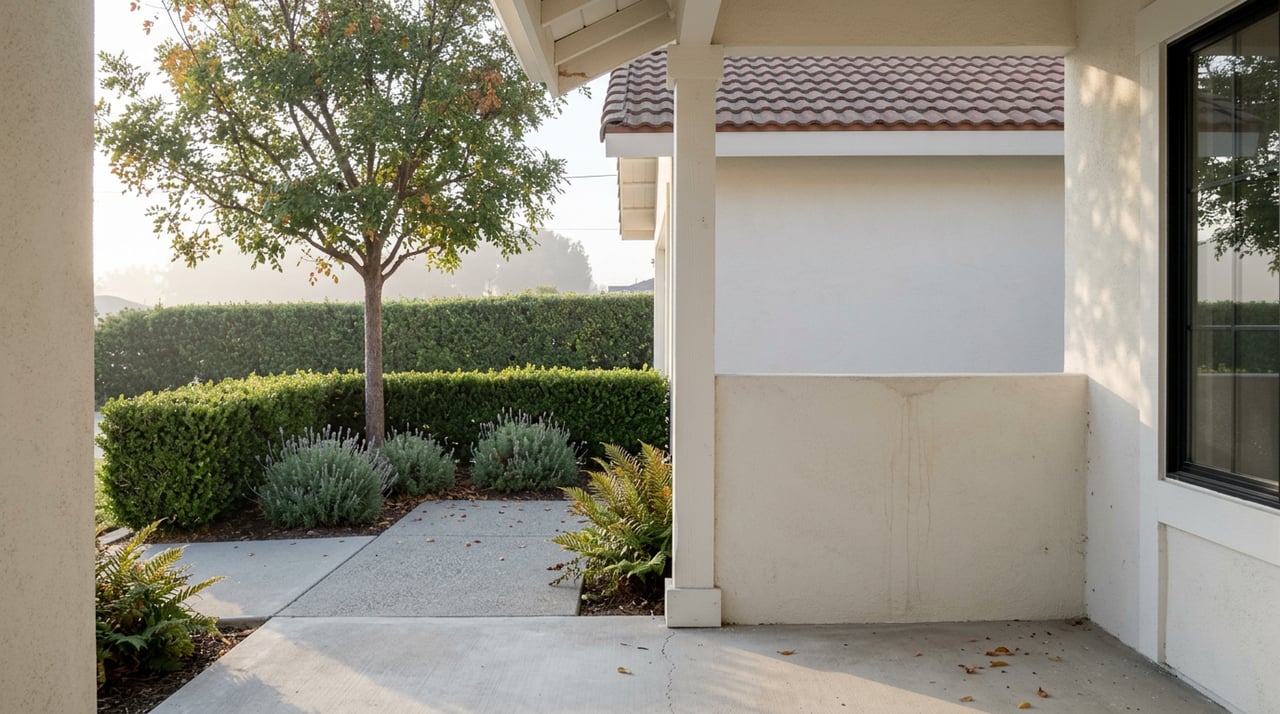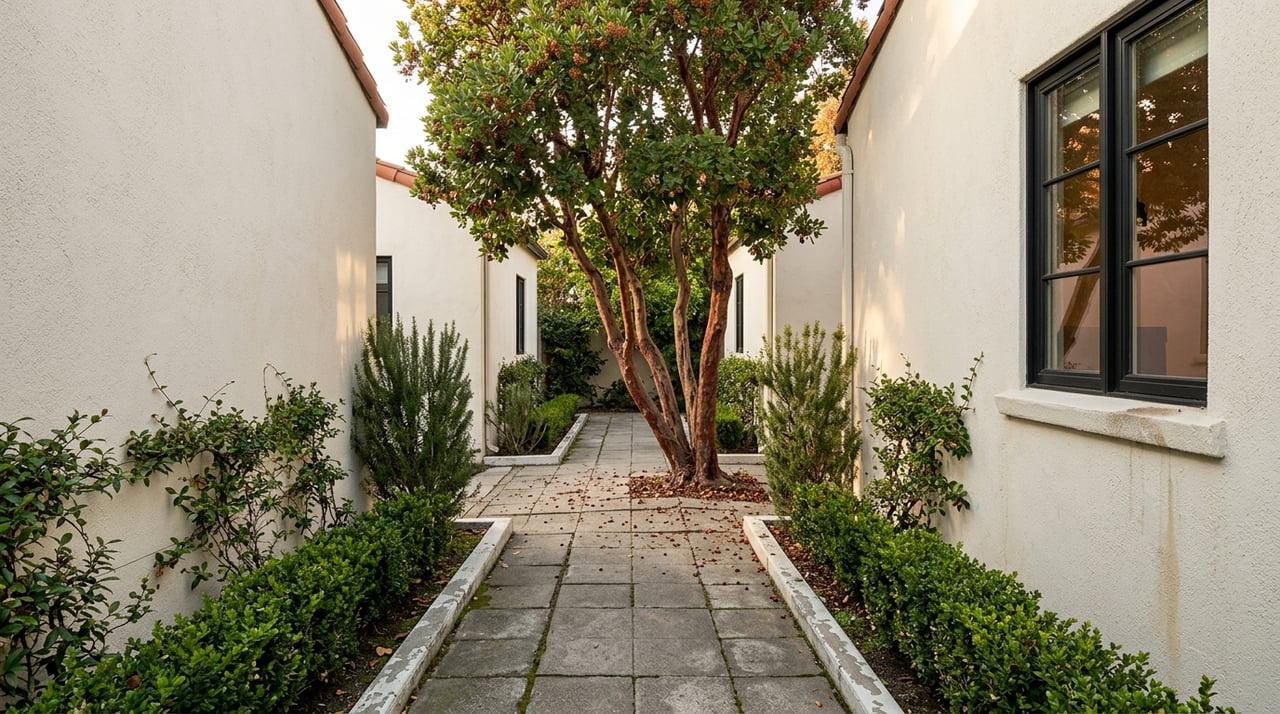
Every Wednesday morning between April and November, a parking lot at 2555 Pulgas Avenue fills with folding tables, crates of stone fruit, and the smell of whatever the nutrition team is cooking that week. This is the East Palo Alto Community Farmers' Market, and if you live in Palo Alto Park, there is a good chance you already know the drill: get there before the fog burns off, grab a canvas bag, say hello to Gilbert.
Gilbert runs the Castellanos Farms booth. The farm is family-owned, and over the years he has done a bit of everything for it, from picking and pruning to loading the truck that brings citrus, cherries, and stone fruit to this particular lot every week the market runs. A few tables down you might find Stephanie, an East Palo Alto resident who started DaphneGardens Skincare and sells shea butter moisturizer she makes herself, good for dry skin, natural hair, and scalp care. These are not vendors bused in from somewhere else. They are neighbors selling what they grow or make, which is exactly the point of the market's design.
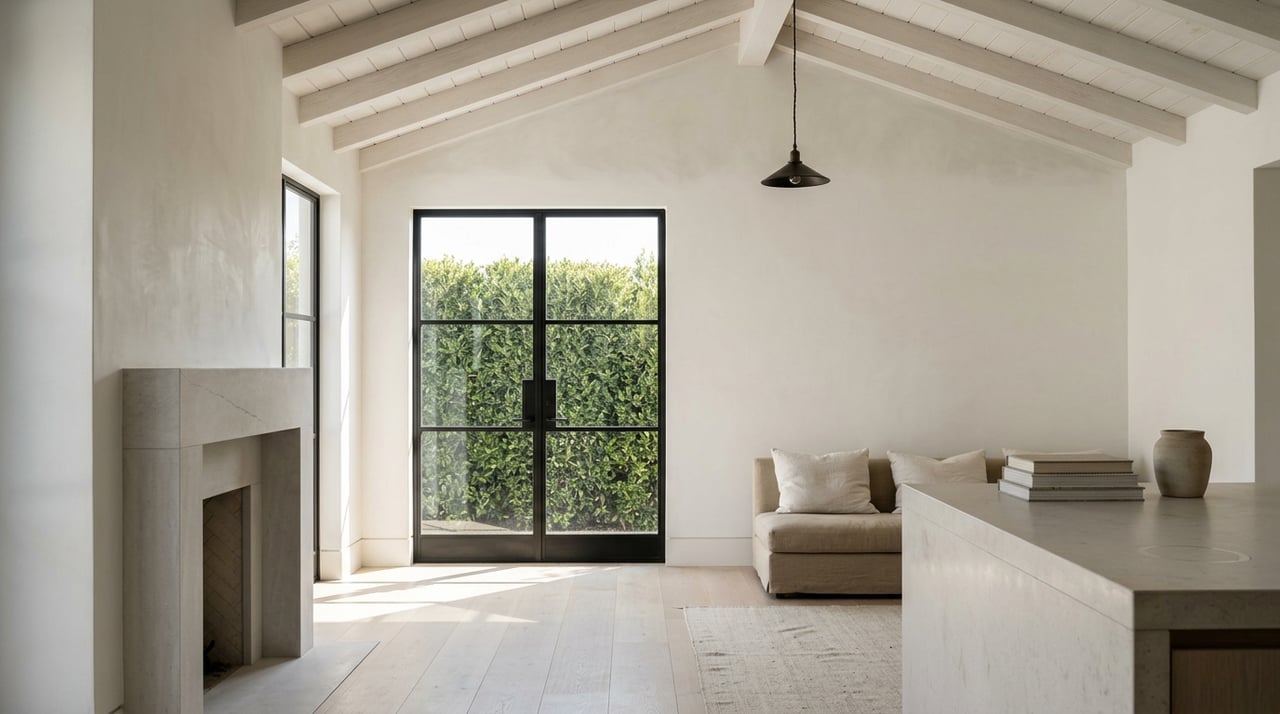
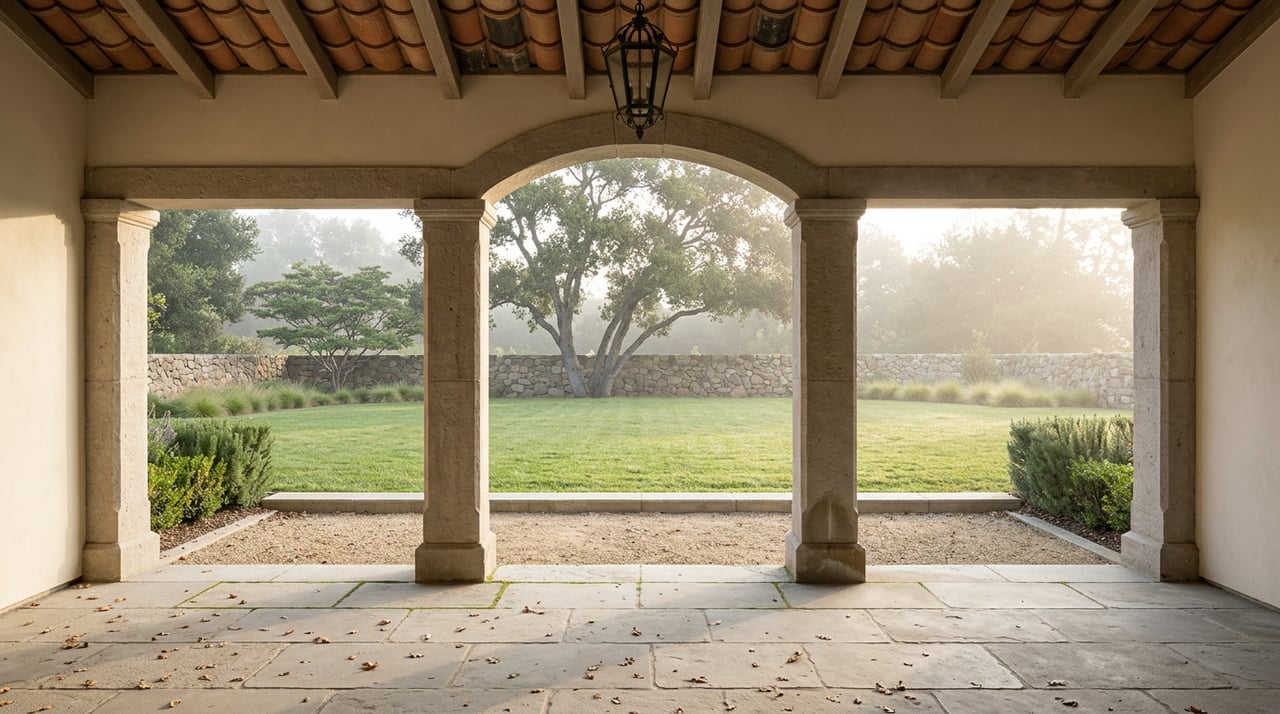
What most people walking through with a reusable bag do not clock is that the building behind those tables, a 6,000-square-foot gathering space called Bloomhouse, is doing double duty. On Wednesdays it hosts produce and cooking demos. The rest of the year, that same patio is where the city talks to residents about what happens next to the 52 acres of waterfront it sits on.
What the market actually offers, beyond produce
The market is run by Fresh Approach, a nonprofit that operates several farmers markets around the Bay Area, and its stated goal here is specific: make affordable, culturally relevant food accessible to East Palo Alto while supporting small family farms. That mission shows up in the payment options accepted at the info booth, which go well beyond cash and card:
- CalFresh EBT
- FMNP WIC checks
- FMNP Senior checks
- Market Match, which turns your CalFresh spending into more groceries
Market Match is worth understanding if you have not used it. Spend your CalFresh EBT benefits at the market and Fresh Approach matches it dollar for dollar, up to $10 a week, capped at $40 a month. You walk away with yellow CalFresh scrip and red Market Match scrip, and both spend the same at any booth. For a family doing a weekly produce run, that is real money back into the cart, not a discount code buried in fine print.
The nutrition team also runs live cooking demonstrations using whatever is in season that week, and the gardening team hosts a compost hub collection every market day. If you have been meaning to start composting but did not want to buy a bin before knowing if you would keep it up, Wednesday mornings at Bloomhouse are a low-stakes way to start.
Local organizations are welcome to table too, provided they serve East Palo Alto or San Mateo County residents, and the market strongly encourages tabling groups to bring Spanish-language materials and staff who can speak with shoppers in Spanish. That is not a footnote. It reflects who actually shows up to buy groceries on Pulgas Avenue on a Wednesday morning.
The same room, a different agenda
Bloomhouse opened in 2019 as a partnership between Emerson Collective and the East Palo Alto community, built specifically to give residents a voice in how the waterfront around it gets developed. The space includes a community room with murals and a covered patio with a stage, and it sits inside a 52-acre site that the city and its partners have been actively planning for years.
That planning has happened in the same building where you buy your peaches. In past years, Bloomhouse has hosted public sessions on the EPA Waterfront Housing and Open Space Project, including a Phase 1 pre-application meeting where residents could see and comment on what the city and its partners were proposing for the land around them. The venue also houses the East Palo Alto Community Archive, an independent, resident-led effort to collect and preserve the neighborhood's history before redevelopment reshapes the waterfront further.
Here is the part worth sitting with. If you only think of Bloomhouse as the farmers market building, you are seeing half of what it does. The site was built, deliberately, so that the people who show up for groceries are the same people who might show up for a planning meeting about the acreage under their feet. Whether that connection actually happens depends on whether residents realize it is the same address.
A gathering space built jointly by Emerson Collective and the East Palo Alto community, meant to shape the waterfront's future while doubling as a meeting and event space for the neighborhood.
That is how the venue describes its own purpose. The farmers market is the most frequent, most visible version of that purpose in action, but it is not the only one.
The rest of the year at Bloomhouse
Outside market season, Bloomhouse's patio has hosted a rotating calendar that gives the neighborhood reasons to return even when the produce stands are gone. Past events have included a pumpkin patch and festival with live music and community tabling, a skating event called Roll, Skate, Bloom done in partnership with local organizations, and the Love Our Earth Festival, a joint effort with the City of Menlo Park, Peninsula Clean Energy, and local environmental groups. There has also been a National Poetry Month evening open to young poets, and a Black History Month gathering with free books, spoken word, and coffee reflecting East Palo Alto's Black community history.
None of these events require you to have an opinion about waterfront development. They are simply the kind of low-cost, walkable, family-friendly programming that a lot of neighborhoods wish they had within a ten-minute drive. But their existence in the same building that hosts planning meetings means that staying loosely aware of the Bloomhouse calendar, not just the Wednesday market hours, is a reasonable way to keep a finger on the pulse of a corner of the neighborhood that is actively in motion.
What to actually do with this on a Wednesday
If you have not been, the market runs Wednesdays from 8:30 a.m. to 12:30 p.m., April through November, at Bloomhouse, 2555 Pulgas Avenue. Bring a bag, bring your CalFresh card if you have one, and budget a few extra minutes to talk to the person behind the table. Gilbert will tell you what is good that week. Stephanie will tell you what her shea butter does for scalp care that lotion does not.
And if you find yourself lingering on the patio after your bag is full, take a look at whatever flyers are posted near the entrance. Bloomhouse tends to post its own event calendar there, and it is often the fastest way to learn what is coming to the waterfront next, whether that is a poetry night, a planning session, or something the city has not announced yet.
That is the real value of this particular Wednesday habit. It is not just a grocery run. It is a standing appointment with the one building in the neighborhood built to hold both.
If you are curious about what else is changing on the Peninsula, from waterfront projects to the neighborhoods around them, Sharlyne Murphy tracks these shifts closely and is always glad to talk through what they mean for the people who live here.